A Guide to Choosing the Right Commercial Refrigeration for Your Business
Selecting the proper cooling infrastructure is one of the most significant decisions a business owner in the food service or medical industry will face. The integrity of your inventory, the safety of your customers, and the efficiency of your daily operations all hinge on the reliability of your cooling units. When the wrong equipment is selected, the consequences often manifest as high utility bills, frequent mechanical failures, and even the loss of perishable goods. Therefore, understanding the nuances of temperature control is vital for long-term success.
The landscape of professional cooling has shifted toward more sustainable and technologically advanced solutions. Modern systems are designed to offer precise thermal management while minimizing environmental impact. Whether you are launching a new startup or upgrading an existing facility, the goal remains the same: finding a balance between cooling power, energy conservation, and spatial logistics. This guide explores the essential factors that define high-quality installations and how they serve the unique needs of diverse commercial environments.
Evaluate Your Specific Storage Needs
Before browsing through various models, you must conduct a thorough audit of what you intend to store. The cooling requirements for a boutique florist differ wildly from those of a high-volume butchery or a pharmaceutical laboratory. You must consider the volume of product that moves through your facility on a weekly basis. Overcrowding a unit disrupts airflow, which leads to inconsistent temperatures and potential spoilage, while an underutilized unit wastes energy.
Take into account the specific temperature ranges required for your inventory. Some items require deep freezing, while others merely need to stay crisp and cool. The versatility of your commercial refrigeration setup will determine how easily you can adapt to seasonal changes in your menu or product lines. Assessing these needs early in the process ensures that you do not invest in a system that is either too small to handle your growth or too large for your current footprint.
Analyze Available Floor Space
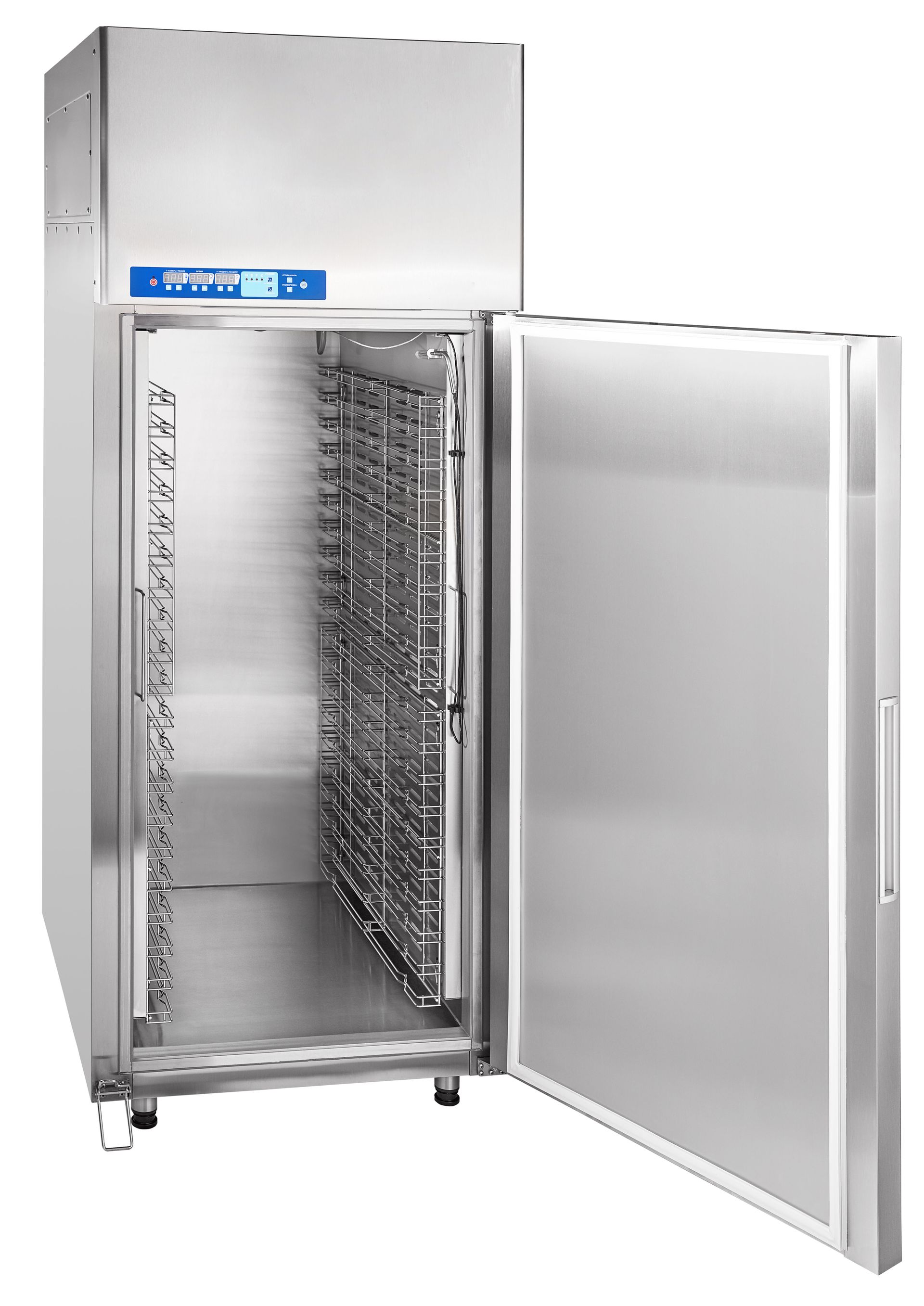
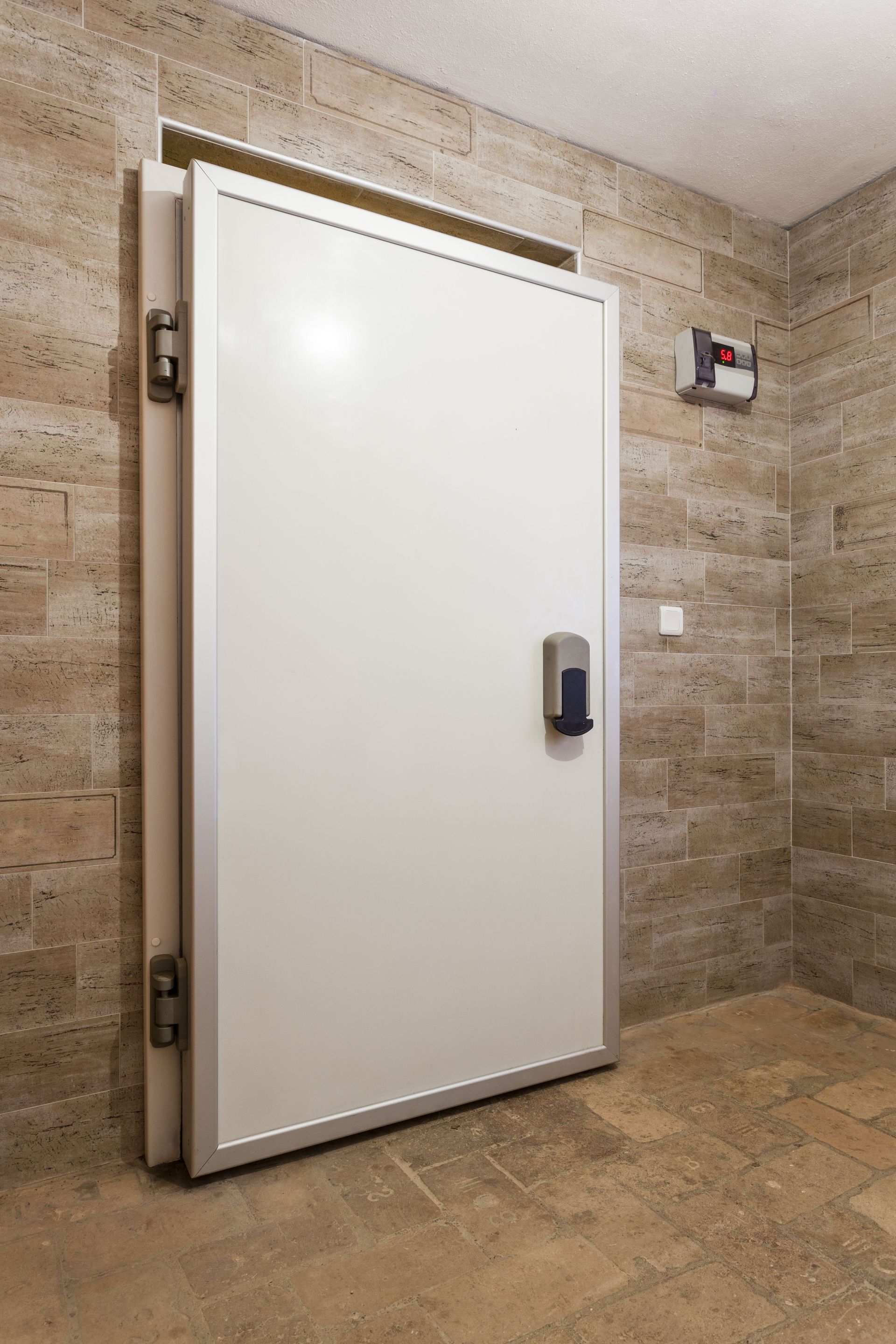
The physical dimensions of your facility dictate the style of equipment you can realistically install. Large walk-in units offer incredible storage capacity but require significant square footage and specialized ventilation. Conversely, reach-in units or under-counter drawers provide quick access in tight kitchen environments. It is important to measure not only the final resting place of the equipment but also the doorways and hallways through which the units must pass during installation.
Effective spatial planning also includes considering the heat output of the machinery. Every cooling unit generates heat as it removes heat from the interior cabinet. If several pieces of commercial refrigeration are packed into a small, unventilated room, the ambient temperature will rise, forcing the compressors to work harder and increasing the risk of a burnout. Proper spacing allows for adequate air circulation, which preserves the lifespan of the hardware.
Consider Energy Efficiency Standards
Utility costs represent a major portion of any business's monthly overhead. Choosing equipment with high energy efficiency ratings can result in substantial savings over the life of the machine. Many modern units utilize advanced insulation materials and high-efficiency compressors that maintain stable temperatures with less electrical draw. Looking for industry certifications regarding energy use can help you identify models that prioritize sustainability.
Beyond the immediate cost of electricity, there are regulatory factors to keep in mind regarding the chemicals used in cooling. According to Yorke Engineering, as of January 2026, the EPA requires automatic leak detection systems for facility refrigeration units containing 1,500 pounds or more of refrigerant with a GWP greater than 53. Adhering to these types of mandates is not just about environmental stewardship; it is a legal necessity for large-scale operations. Investing in compliant commercial refrigeration today protects your business from future fines and forced retrofitting.
Prioritize Ease of Maintenance
No piece of mechanical equipment lasts forever without proper care. When selecting a unit, look for designs that allow for easy access to the condenser coils and the compressor. If a technician has to disassemble half the kitchen to reach a faulty part, your repair bill will climb due to labor hours alone. Units with digital diagnostic displays are particularly helpful, as they can alert staff to temperature fluctuations or clogged filters before a total system failure occurs.
A proactive approach to maintenance includes:
- Cleaning the condenser coils on a regular basis to prevent dust buildup.
- Inspecting door gaskets for cracks that allow cold air to escape.
- Checking drain lines to ensure moisture is being diverted correctly.
- Calibrating the thermostats to verify that the internal temperature matches the display.
By selecting commercial refrigeration units that are built for serviceability, you reduce the downtime that can cripple a busy service day. Reliable equipment should come with a clear service manual and a network of available parts to ensure that minor issues do not turn into major crises.
Review Manufacturer Warranty Coverage
The strength of a warranty often reflects the manufacturer's confidence in their product. When comparing different brands, pay close attention to the length of coverage for the compressor versus the rest of the unit. The compressor is the heart of the system and is often the most expensive part to replace. A comprehensive warranty provides a safety net that covers both parts and labor during the initial years of operation.
It is also wise to research the reputation of the manufacturer regarding customer support. In the world of commercial refrigeration, a quick response time is essential. If a unit fails on a Saturday night, you need to know that support is accessible. Reading reviews from other business owners in your industry can provide insight into which brands stand behind their products and which ones leave their customers stranded during an emergency.
Determine Final Budget Requirements
While it is tempting to choose the least expensive option, the initial purchase price is only one part of the total cost of ownership. A cheap unit that consumes excessive energy and requires frequent repairs will eventually cost more than a premium model. You must weigh the upfront investment against the expected lifespan and operational costs of the equipment. Financing options or leasing programs can sometimes make higher-quality commercial refrigeration more accessible for new businesses.
Consider the following financial factors:
- The projected impact on monthly electricity expenses.
- The potential cost of lost inventory if the unit fails.
- The resale value of the equipment should you choose to upgrade later.
- The availability of tax incentives for installing eco-friendly systems.
Making an informed choice requires looking at the big picture. Quality commercial refrigeration serves as the backbone of your storage strategy, ensuring that every item you serve or sell is kept in peak condition. By focusing on your specific needs, spatial constraints, and long-term efficiency, you can select a system that supports your business goals for many years to come.
The right cooling solution is out there, and finding it starts with a commitment to quality and professional expertise. If you are ready to equip your facility with reliable, high-performance cooling systems, the team at Coldstat Refrigeration Inc is here to provide the guidance and technical support you need.
Whether you are looking to streamline your kitchen layout, reduce monthly energy overhead, or ensure your facility meets the latest environmental compliance standards, our specialists are ready to help you navigate the complexities of modern commercial refrigeration to find the perfect fit for your unique operational demands. Contact us today!
Share On: