Commercial Refrigeration Services 101: What to Know
Understanding the essential aspects of commercial refrigeration services is crucial for business owners in the food and hospitality industry. This article delves into the various facets of maintaining, repairing, and optimizing commercial refrigeration systems to ensure maximum efficiency and longevity. By managing temperature control effectively, businesses can enhance the shelf life of products, protect their investment, and meet customer expectations. With cutting-edge technologies reshaping the refrigeration landscape, adopting suitable practices can lead to cost savings and improved operations. This guide aims to provide comprehensive insights into the world of commercial refrigeration, equipping business owners with the knowledge needed to make informed decisions.
Basics of Commercial Refrigeration
Types of Refrigeration Systems
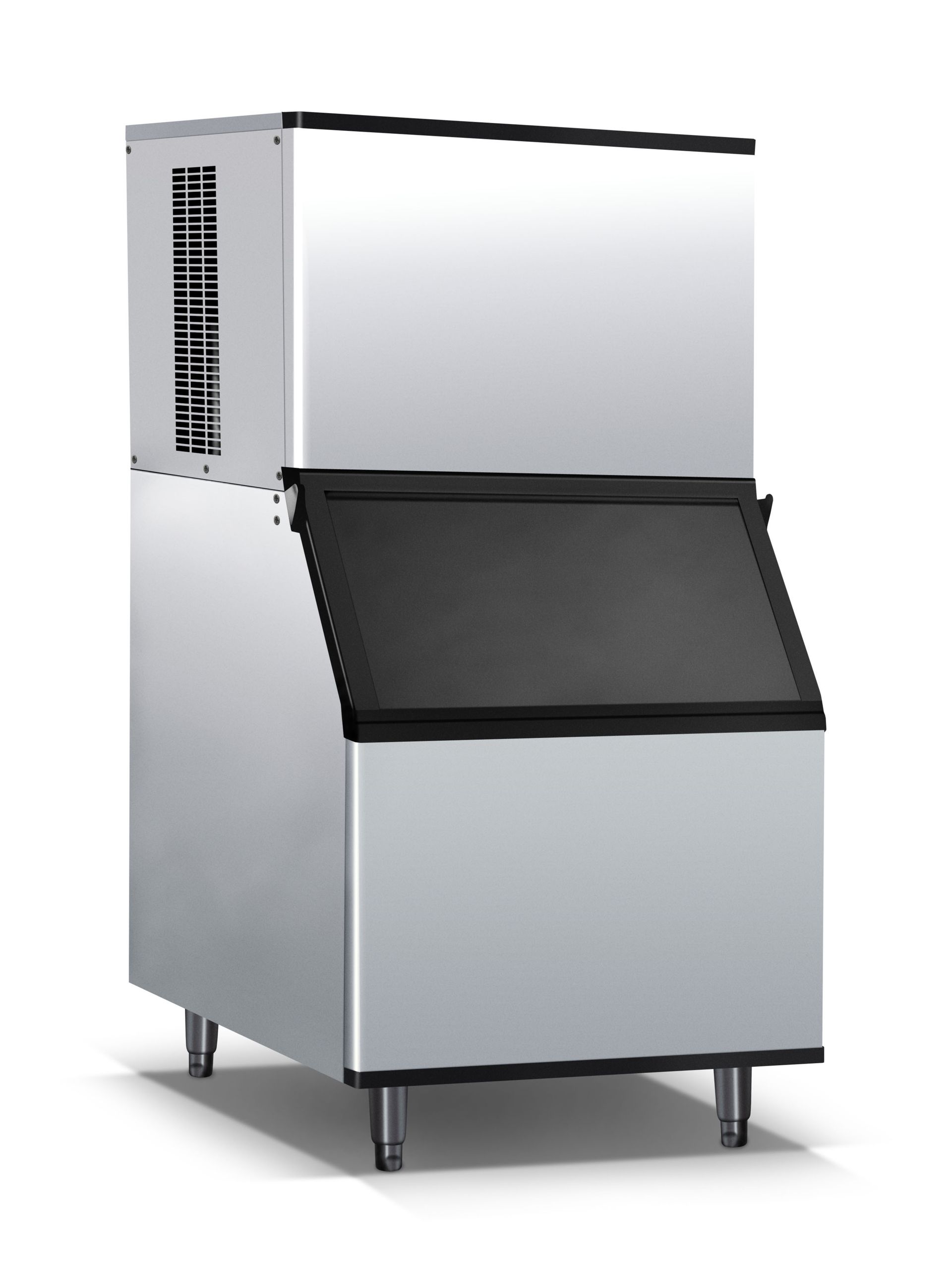
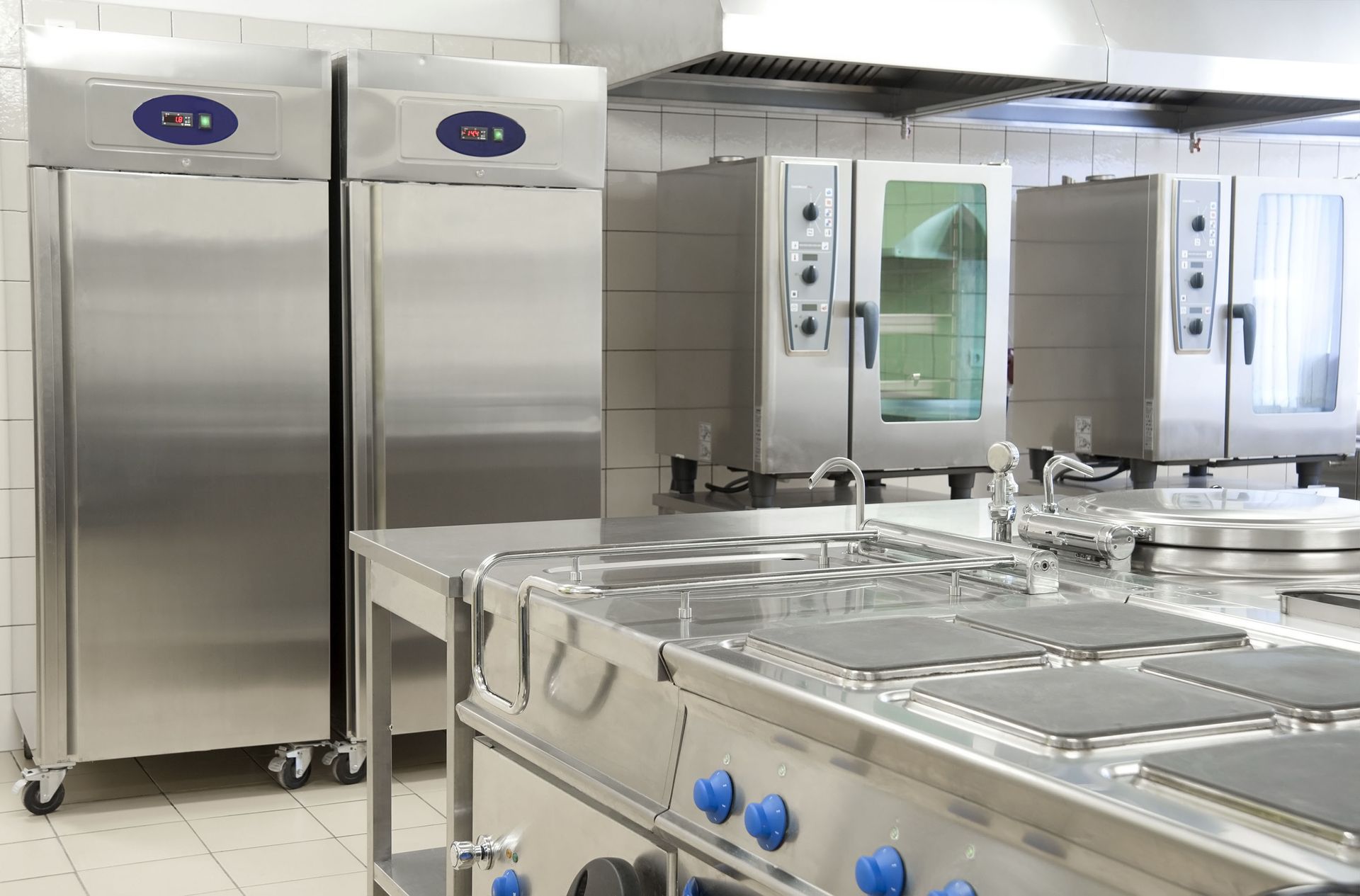
Commercial refrigeration systems come in various types, each designed for specific applications and business needs. The most suitable systems depend on factors such as available space, storage requirements, and energy considerations. Properly selecting the type of refrigeration system can significantly impact a business's operational efficiency.
Refrigerants: What They Are and How They Work
Refrigerants play a pivotal role in the functioning of refrigeration systems, responsible for transferring heat and creating the cooling effect. These substances cycle through the system, absorbing heat from the stored items and releasing it outside. Different types of refrigerants, such as R-134a and R-404A, are utilized depending on system specifications and environmental considerations. The Montreal Protocol has guided a shift towards more eco-friendly refrigerants with lower global warming potential. Understanding refrigerants allows businesses to make informed choices while complying with regulations.
Key Components of Refrigeration Units
Refrigeration units consist of key components responsible for their efficient operation. Compressors are crucial, as they compress and circulate the refrigerant through the system. Evaporators absorb heat from the stored items, while condensers dissipate this heat to the surrounding environment. Expansion valves control the flow of refrigerant, allowing precise temperature regulation. Regular maintenance and understanding the functions of these components are essential for preventing breakdowns and ensuring longevity.
Energy Efficiency and Environmental Impact
Energy efficiency and environmental impact are paramount considerations in commercial refrigeration. Systems with high efficiency reduce operational costs and carbon footprint, benefiting both businesses and the environment. Innovations such as variable speed compressors and advanced insulation contribute to better energy performance. Adopting eco-friendly refrigerants and optimizing energy consumption align systems with sustainability goals. Businesses can leverage these advancements to enhance their public image and remain competitive.
Industry Standards and Regulations
The commercial refrigeration sector is guided by strict industry standards and regulations to ensure safety and compliance. These standards cover areas such as energy consumption, refrigerant use, and operational safety. Compliance with guidelines like the Environmental Protection Agency (EPA) regulations is vital to avoid legal repercussions and fines. Regular audits and adherence to regulations ensure systems operate within acceptable environmental and safety boundaries. Understanding and implementing these standards are integral to successful business operations.
Installation and Setup
Planning and Design Considerations
A successful installation starts with comprehensive planning and design considerations tailored to specific business needs. Factors like available space, type of goods stored, and energy requirements dictate the system choice. Designing an efficient layout enhances accessibility and operational flow, improving employee productivity. Proper ventilation and adherence to safety guidelines are crucial during the planning phase. A well-thought-out design reduces issues post-installation, optimizing system performance and longevity.
Site Preparation and Requirements
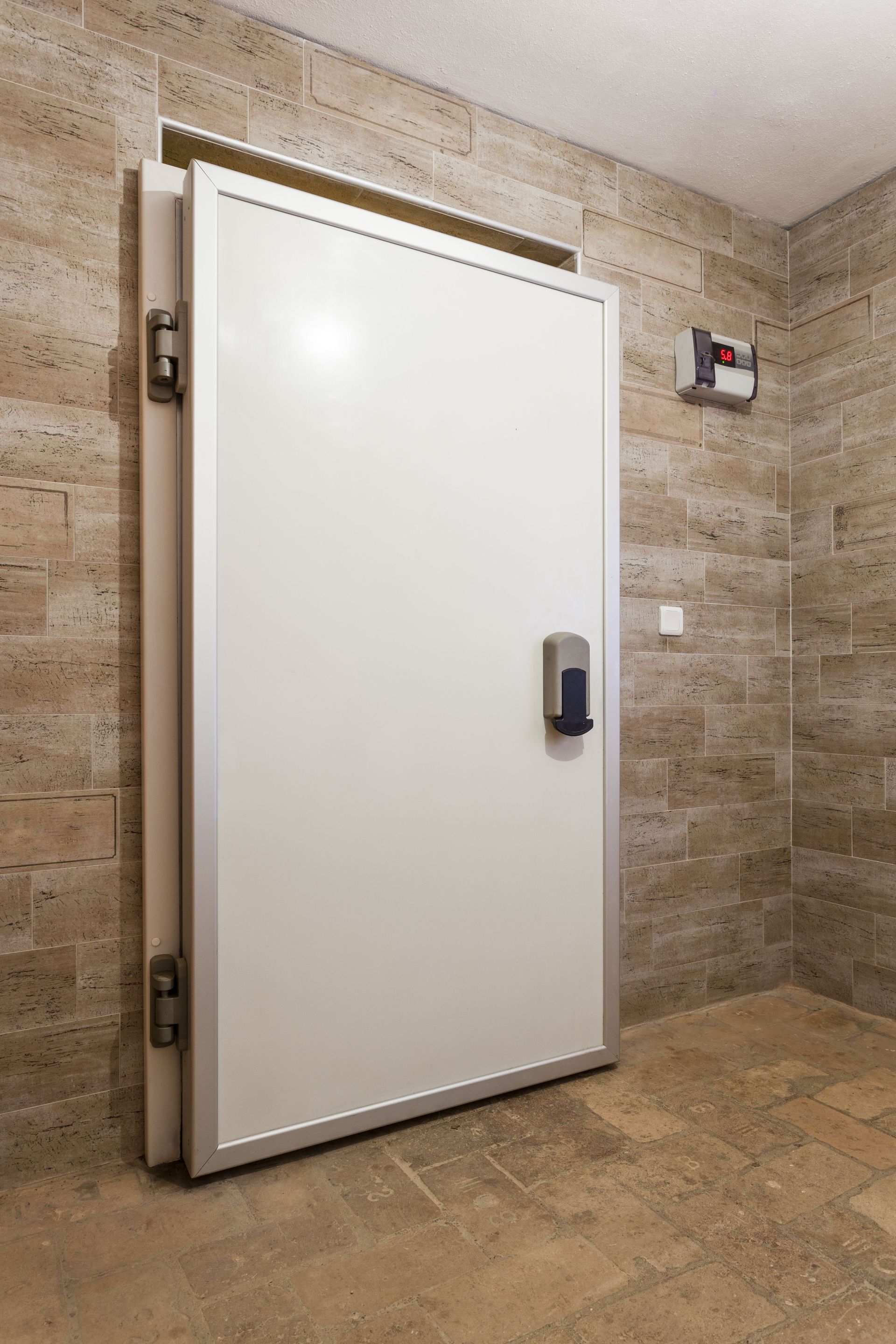
Preparing the site is a critical step in the installation process, ensuring that necessary infrastructure and conditions are in place. Adequate power supply, drainage, and ventilation are key requirements for optimal system functionality. Ensuring the site complies with local building codes and permits helps to avoid delays and legal issues. Structural integrity and accessibility considerations are crucial, especially for larger systems like walk-in coolers. Proper site preparation sets the foundation for successful refrigeration system operations.
Professional Installation vs. DIY
Choosing between professional installation and a DIY approach can significantly impact the effectiveness and longevity of refrigeration systems. Professional services offer expertise and adherence to industry standards, reducing the risk of errors and ensuring warranty coverage. While DIY may appear cost-effective initially, potential mistakes and oversights can lead to expensive repairs and inefficiencies. Professionals have specialized tools and knowledge, guaranteeing optimal system setup. Business owners must weigh the pros and cons to make the best choice for their needs.
Initial Testing and Calibration
Once installed, initial testing and calibration are essential to ensure the refrigeration system functions correctly. Technicians thoroughly check all components, adjusting settings for optimal performance. This process verifies temperature regulation, efficiency, and safety, preventing potential issues that may arise later. Testing procedures include leak detection, pressure analysis, and electrical integrity checks. Proper calibration aligns systems with manufacturer specifications, providing peace of mind and reliable operation.
Common Installation Mistakes to Avoid
Avoiding common installation mistakes is crucial for the long-term success of refrigeration systems. Incorrect component sizing can lead to insufficient cooling capacity or excessive energy use, impacting efficiency. Improper ventilation often results in higher operational temperatures and reduced system lifespan. Neglecting compatibility checks with existing infrastructure may cause functionality issues post-installation. Engaging professionals helps avoid these pitfalls, ensuring systems operate at optimal performance.
Maintenance Best Practices
Routine Inspection and Cleaning
Routine inspection and cleaning are vital aspects of maintaining efficient refrigeration systems. Regular checks help identify potential issues early, preventing costly repairs and system downtime. Cleaning components like coils, fans, and drain lines enhances performance and prolongs the unit's lifespan. Well-maintained systems operate optimally, reducing energy consumption and environmental impact. Establishing a routine maintenance schedule ensures systems remain in peak condition, supporting reliable business operations.
Preventive Maintenance Schedules
Implementing preventive maintenance schedules is key to minimizing unexpected failures and extending the life of refrigeration systems. Scheduled tasks include checking refrigerant levels, inspecting electrical connections, and evaluating component integrity. Preventive measures mitigate the risk of breakdowns, ensuring consistent performance and protecting inventory. These proactive efforts contribute to cost-effective operations by avoiding emergency repairs and maximizing energy efficiency. A systematic approach to maintenance pays dividends for business owners over time.
Troubleshooting Common Issues
Troubleshooting common issues effectively requires a solid understanding of system operations and potential problem areas. Common concerns include temperature inconsistencies, unusual noises, and leaks, which can signal underlying issues. Addressing these promptly prevents larger complications and ensures the system operates efficiently. Business owners should familiarize themselves with basic diagnostic procedures, enabling swift action when problems arise. Implementing troubleshooting protocols enhances system reliability and minimizes operational disruptions.
Importance of Professional Maintenance Services
Engaging professional maintenance services offers substantial advantages in preserving refrigeration system performance. Experienced technicians possess the expertise to identify and resolve issues before they escalate, providing long-term savings. Regular professional inspections and maintenance help maintain warranty coverage and compliance with industry regulations. Furthermore, experts can offer advice on system upgrades and efficiency improvements. Relying on professional services ensures systems consistently meet business needs, protecting vital assets and investments.
The successful operation of commercial refrigeration systems is crucial for businesses reliant on food preservation and presentation. By understanding the fundamentals, investing in proper maintenance, and selecting the right service providers, business owners can ensure their systems work efficiently and sustainably, ultimately protecting their investment. The integration of sustainable practices and smart technologies further enhances operational efficiency and aligns with evolving industry standards. According to Verified Market Research, commercial refrigeration equipment is used to preserve vegetables, fruits, meat, and other similar products by regulating the temperature between 30°C and 40°C, hence increasing the shelf life of the product. This comprehensive understanding equips business owners to make informed decisions that optimize system performance. Commit to the principles outlined in this guide to ensure your refrigeration units support your business objectives effectively and responsibly. Be sure to reach out to Coldstat Refrigeration Inc today to learn more about our professional commercial refrigeration services!
Share On: