How Professional Maintenance Maximizes Refrigeration Equipment Lifespan
Proper care of refrigeration systems plays a major role in how long they last and how well they perform over time. When equipment is maintained on a regular schedule, it tends to run more efficiently, experience fewer breakdowns, and maintain stable temperatures. This article explains how professional maintenance supports long-term performance and why refrigeration systems benefit from consistent attention and care.
Understanding Equipment Lifespan Factors
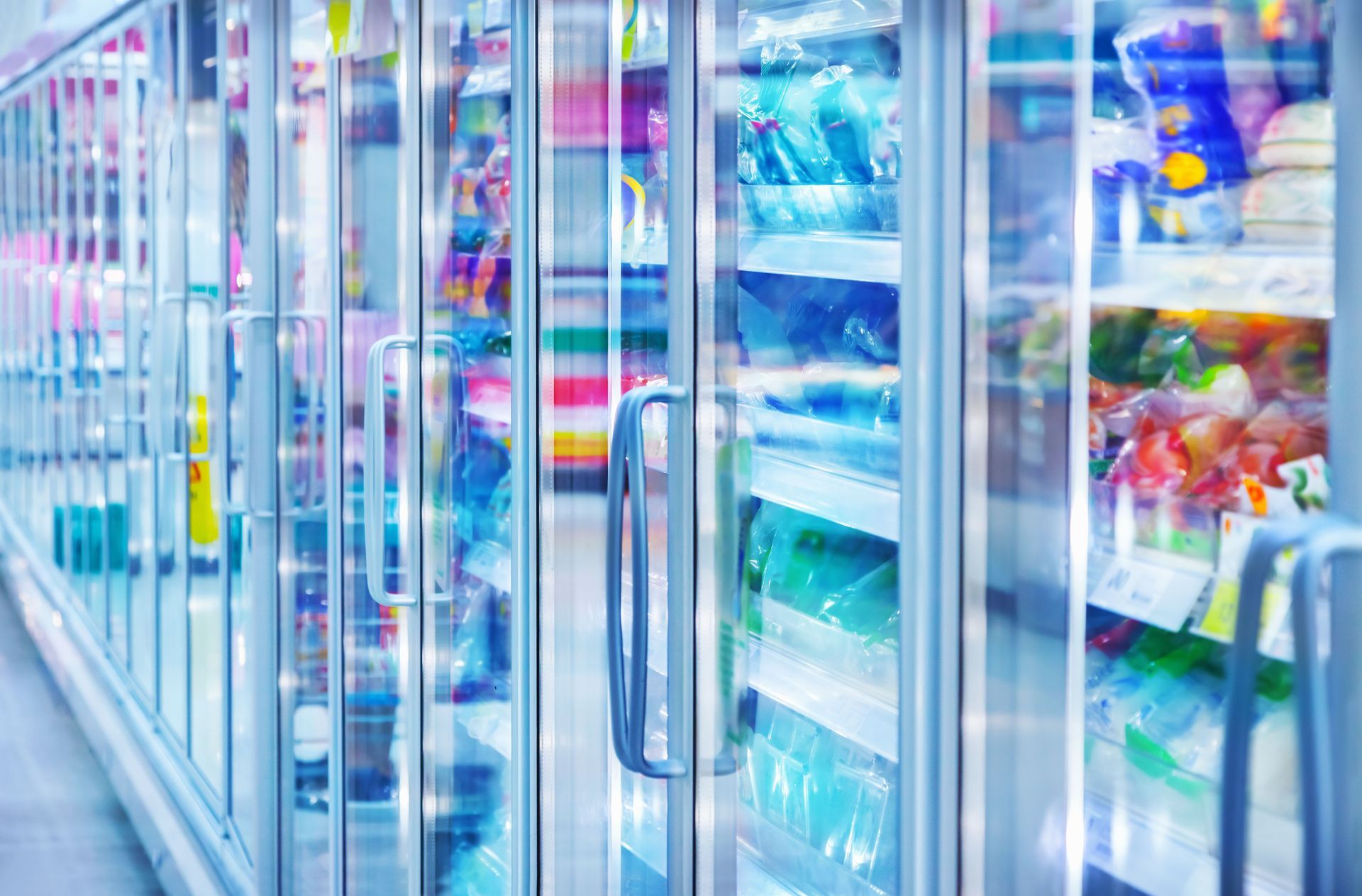
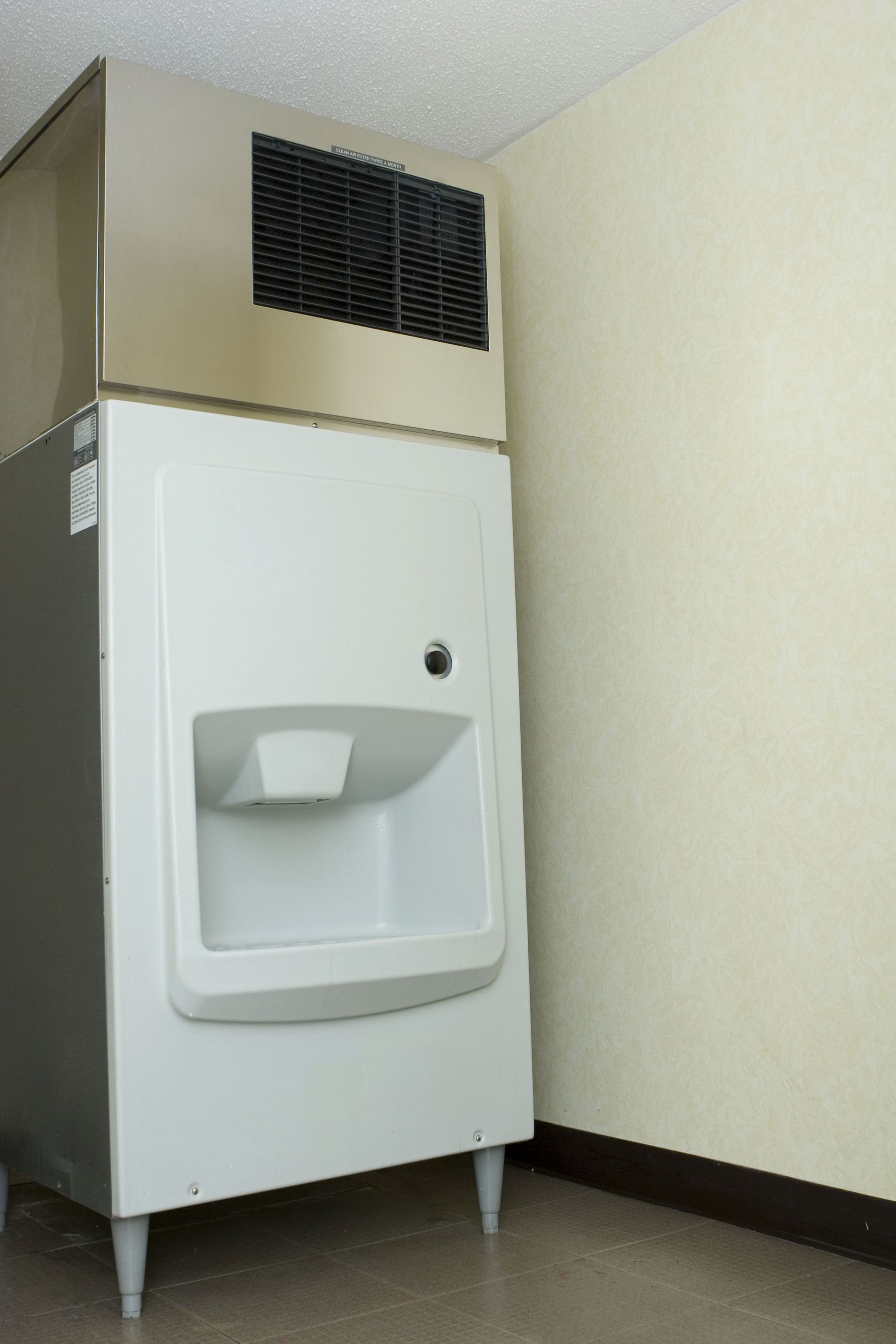
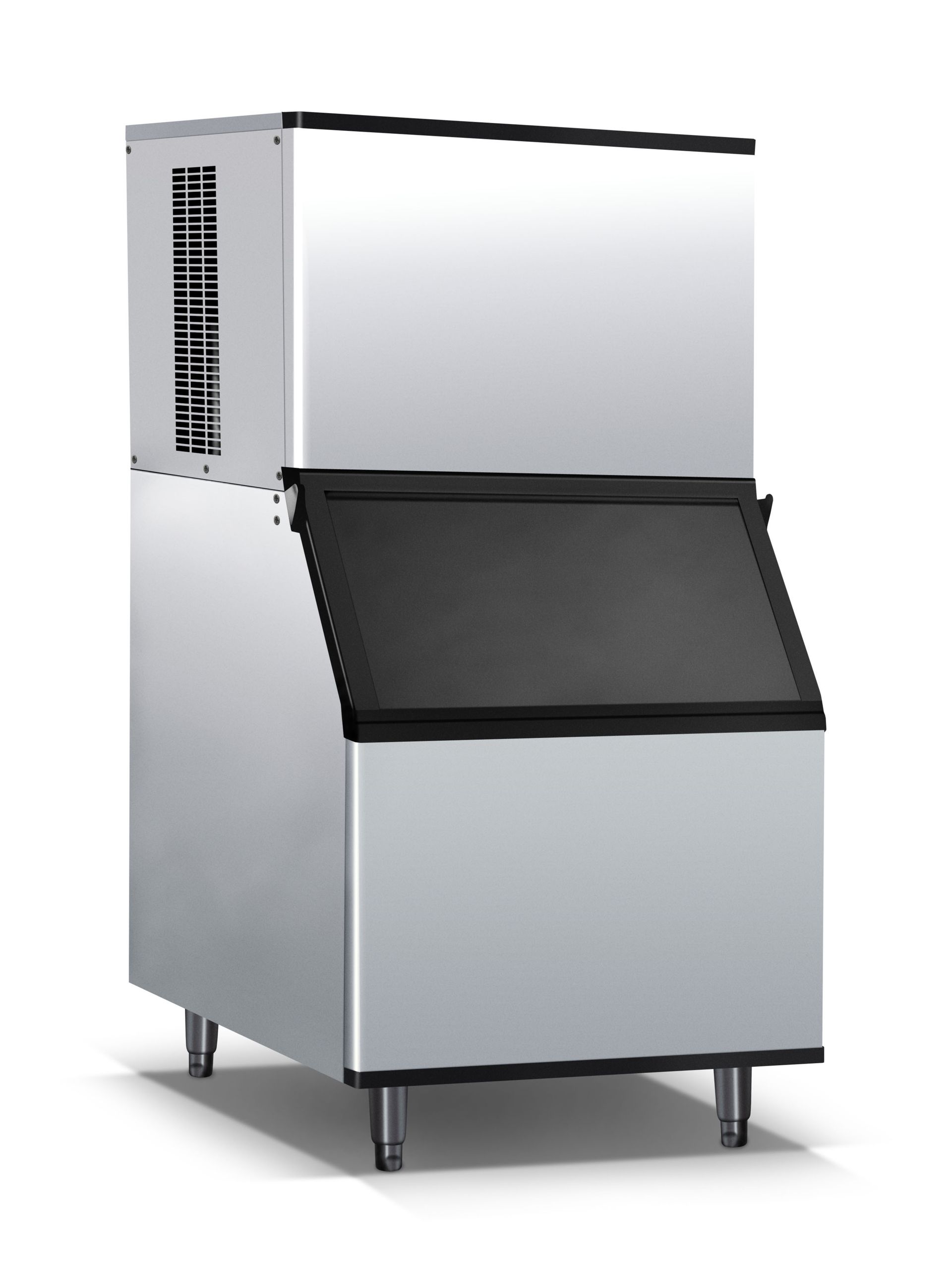
The lifespan of refrigeration equipment depends on many factors, including usage levels, environment, and how well the system is maintained. Dust buildup, temperature fluctuations, and irregular use patterns can all place added stress on components over time. When systems like walk-in coolers and freezers, commercial ice machines, and open-air display coolers are not maintained properly, small issues can build up and lead to larger performance problems. Professional maintenance helps identify early signs of wear so that equipment continues operating within expected conditions. This approach supports longer system life and more consistent performance.
Reducing System Strain Through Routine Care
Every refrigeration system experiences mechanical strain during normal operation. Compressors, fans, and cooling components work continuously to maintain temperature levels. When strain builds up over time, it can lead to reduced efficiency and increased wear. Regular maintenance helps reduce unnecessary strain by keeping components clean and functioning properly. This supports smoother operation and helps the system avoid working harder than necessary.
Improving Cleaning and Sanitation Cycles
Clean components play an important role in refrigeration performance. Dust, mineral buildup, and debris can affect how well a system operates and how efficiently it cools. Walk-in coolers and freezers, commercial ice machines, and open-air display coolers require especially consistent cleaning attention because water and freezing processes can lead to buildup over time. When internal parts are clean, the system can operate more efficiently and maintain more stable output. Professional maintenance includes cleaning procedures that help remove buildup from key areas, supporting better performance and extending the overall lifespan of the equipment.
Supporting Temperature Stability Performance
Maintaining steady temperature levels is one of the most important functions of any refrigeration system. Fluctuations in temperature can place stress on internal components and reduce efficiency. Walk-in coolers and freezers, commercial ice machines, and open-air display coolers depend on consistent cooling cycles to maintain proper output. When temperatures shift too frequently, it can affect both production quality and system reliability. Professional maintenance helps keep temperature controls calibrated and functioning correctly. Commercial machines benefit from this level of attention because stable conditions reduce strain on internal parts and support more reliable operation.
Managing Airflow and Ventilation Systems
Airflow plays a critical role in how refrigeration systems release heat and maintain cooling performance. Blocked or restricted airflow can cause systems to work harder than necessary. Walk-in coolers and freezers, commercial ice machines, and open-air display coolers rely on proper ventilation to ensure heat is removed efficiently during operation. When airflow is limited, internal temperatures can rise and affect performance. Maintenance routines often include inspection of airflow pathways to confirm they are clear and functioning as intended. This helps commercial machines maintain balanced performance and reduces the risk of overheating.
Preventing Unexpected System Breakdowns
Unexpected breakdowns can interrupt operations and shorten equipment lifespan. Many of these issues begin as small, unnoticed problems that develop over time. Walk-in coolers and freezers, commercial ice machines, and open-air display coolers may experience issues such as reduced output, unusual noise, or inconsistent cooling when components begin to wear. Without attention, these signs can lead to larger failures. Professional maintenance helps identify early warning signs before they develop into more serious problems. This proactive approach supports long-term reliability and helps reduce downtime.
Monitoring Component Wear Over Time
All mechanical systems experience wear as they operate. Components such as motors, seals, and cooling lines gradually degrade with use. Walk-in coolers and freezers, commercial ice machines, and open-air display coolers rely on multiple parts working together in a consistent cycle. When one part begins to wear, it can affect the performance of the entire system. Routine inspections help track wear patterns and identify parts that may need attention. This allows commercial machines to continue operating efficiently while reducing the risk of sudden failure.
Extending Compressor Performance Life
The compressor is one of the most important parts of any refrigeration system. It regulates pressure and helps maintain cooling cycles throughout operation. Walk-in coolers and freezers, commercial ice machines, and open-air display coolers rely heavily on compressor function to produce consistent output of cool temperatures. When the compressor is under strain, overall system performance can decline. Professional maintenance helps support compressor health by ensuring proper lubrication, airflow, and system balance. This reduces stress and helps extend the working life of the component.
Handling Usage Demands in High Output Systems
Refrigeration systems that operate frequently experience higher levels of wear. Walk-in coolers and freezers, commercial ice machines, and open-air display coolers used in busy environments often run continuous cycles to meet demand. This constant operation can place additional pressure on internal systems. Without proper care, performance may begin to decline over time. Maintenance helps balance usage demands by ensuring all components are operating efficiently. Commercial refrigeration systems benefit from this support because it helps maintain consistent output even during heavy use periods.
Reviewing Energy Efficiency Improvements
Energy use is closely tied to how well refrigeration systems are maintained. Clean and well-functioning systems typically require less energy to operate. Regular maintenance for walk-in coolers and freezers, commercial ice machines, and open-air display coolers helps ensure that systems are not working harder than necessary. This supports both performance stability and energy efficiency over time. According to WifiTalents, Energy Star certified ice machines are up to 15% more energy efficient than standard non-certified models. This shows how design and efficiency standards can impact energy use over time. When combined with proper maintenance, commercial ice machines can maintain more consistent performance while using energy more effectively.
Scheduling Maintenance for Long-Term Performance
Routine maintenance scheduling plays an important role in keeping refrigeration systems in good condition. Regular checks help identify issues early and maintain consistent performance. Walk-in coolers and freezers, commercial ice machines, and open-air display coolers benefit from scheduled maintenance because it helps prevent small issues from becoming larger problems. Over time, this consistent attention supports longer equipment lifespan and more stable operation. Professional maintenance programs often follow structured timelines that align with system usage and environmental conditions. This helps maintain balance between performance and wear.
Supporting Overall Equipment Longevity
Long-term equipment performance depends on consistent care, attention to detail, and timely maintenance. Refrigeration systems that receive regular professional service tend to operate more smoothly and last longer. When all system components are functioning properly, the equipment can maintain reliable output over time. Professional maintenance helps keep systems operating within expected conditions and reduces the likelihood of premature failure. This supports both performance stability and equipment longevity.
Professional maintenance plays a key role in extending the lifespan of refrigeration systems by reducing strain, supporting temperature stability, and improving overall efficiency. From airflow management to compressor care, each part of the system benefits from consistent attention. Walk-in coolers and freezers, commercial ice machines, and open-air display coolers all rely on these practices to maintain steady performance and long-term reliability. For more information on maintaining refrigeration systems and improving equipment lifespan, contact Coldstat Refrigeration Inc today to discuss your equipment and ongoing maintenance needs.
Share On: