How Commercial Refrigeration Helps Protect Products and Daily Performance
Every business that stores temperature-sensitive products depends on consistent cooling. Restaurants, grocery stores, markets, convenience stores, cafeterias, medical facilities, florists, and other commercial spaces all need reliable systems that help products stay usable, safe, and ready for customers. When refrigeration equipment performs the way it should, teams can move through the day with more confidence and fewer interruptions.
Commercial refrigeration supports more than product storage. It affects inventory planning, service speed, sanitation routines, energy use, and customer satisfaction. A dependable system helps reduce waste, protect revenue, and keep staff focused on the work in front of them. When cooling problems are ignored, even a small issue can become disruptive quickly. That is why routine attention, timely repairs, and professional service are essential parts of keeping daily operations steady. It also gives managers clearer insight into storage needs, repair timing, and equipment performance across busy operating hours each week. From a single reach-in cooler to a full walk-in system, dependable cooling helps each department work with fewer costly surprises every day.
Protecting Product Quality
Product quality depends on stable temperature control. Food, beverages, flowers, pharmaceuticals, and other sensitive materials can lose freshness, texture, appearance, or effectiveness when exposed to inconsistent cooling. Even brief temperature swings may affect how products look, taste, or perform, especially when inventory must be stored for several days before use.
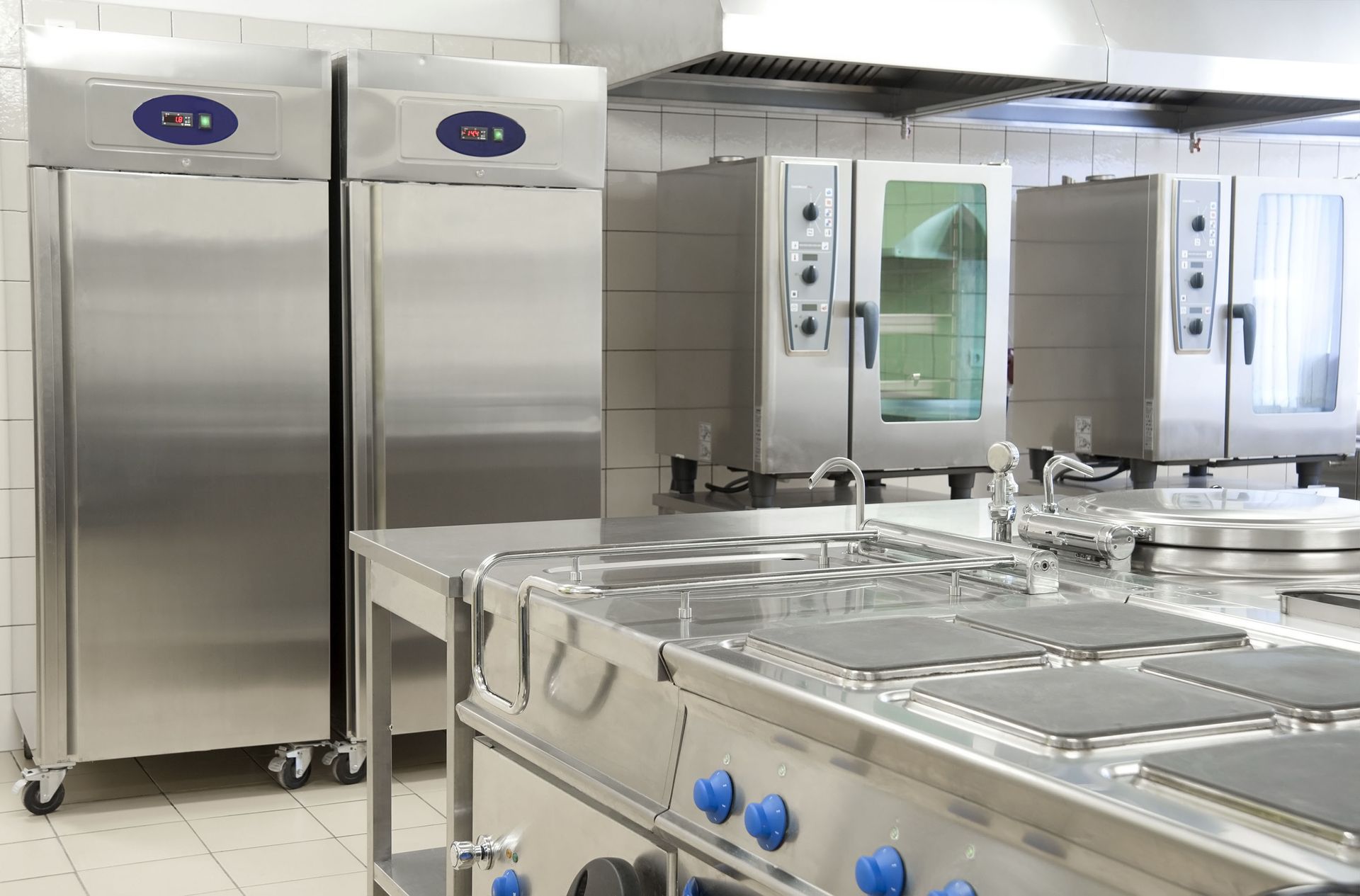
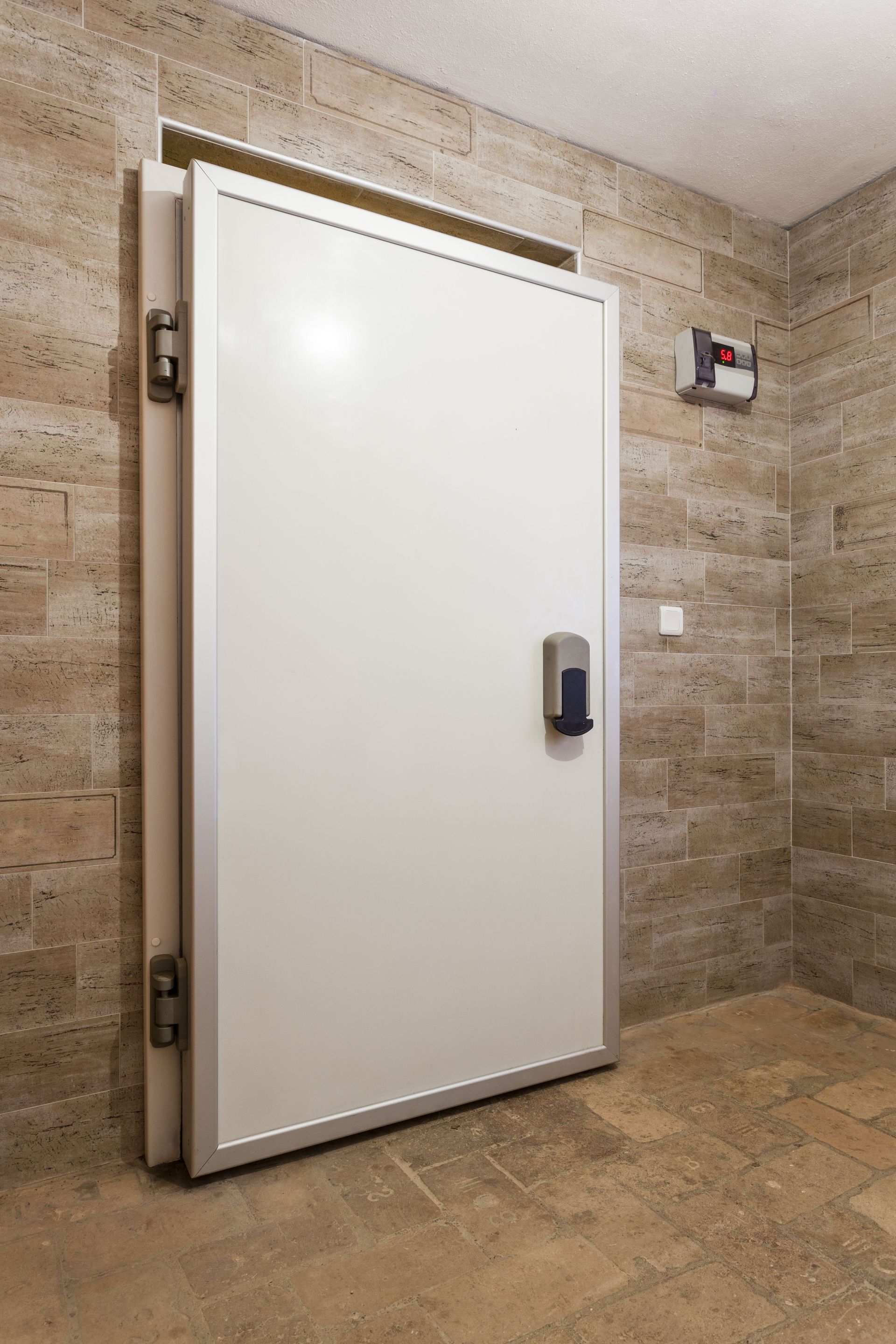
Commercial refrigeration helps businesses maintain the conditions products need from delivery to use. Reach-in coolers, walk-in coolers, freezers, display cases, and prep tables each serve a specific purpose in the storage process. When these systems work properly, staff can rotate inventory with fewer concerns about spoilage or unexpected loss.
Quality also affects how customers view a business. A restaurant serving fresh ingredients, a store offering chilled beverages, or a florist presenting crisp arrangements all rely on temperature control before the product reaches the customer. Strong refrigeration performance helps protect that experience behind the scenes.
Supporting Food Safety
Temperature control is also closely connected to safety. Many foods must stay within specific cold storage ranges to reduce the risk of bacterial growth and contamination. When equipment struggles to maintain temperature, products may become unsafe before anyone notices visible signs of damage.
Commercial refrigeration gives staff a foundation for safer storage practices. Properly functioning equipment allows teams to follow labeling, rotation, cleaning, and monitoring procedures more effectively. When temperatures remain steady, employees can focus on preparing, serving, and selling products instead of constantly reacting to cooling concerns.
Safety also depends on recognizing warning signs early. Unusual noises, frost buildup, leaking water, warm spots, cycling issues, and rising temperature readings can all point to a problem. Addressing these concerns quickly helps prevent product loss and supports safer daily routines.
Improving Daily Workflow
Refrigeration equipment influences how efficiently employees move through a shift. When cold storage is organized and dependable, staff can access ingredients, beverages, supplies, or products without delay. This is especially important during busy service periods, when every minute matters.
Commercial refrigeration helps streamline work by keeping inventory close to where it is needed. Prep tables support food preparation, reach-in coolers help line cooks access ingredients, and display cases allow customers to view products while items remain properly chilled. Each unit contributes to a smoother process when it is sized, placed, and maintained correctly.
Problems with refrigeration can slow down the entire operation. Staff may need to move products to backup storage, discard inventory, adjust menus, contact vendors, or rearrange workstations. Preventing these disruptions helps protect productivity and keeps the team focused on customer service.
Reducing Equipment Strain
Refrigeration systems often run for long hours, making regular care important. Dusty coils, damaged door gaskets, low refrigerant, blocked drains, worn fans, and failing thermostats can force equipment to work harder than necessary. Over time, that added strain may lead to higher energy use and more frequent breakdowns.
Commercial refrigeration performs best when all parts of the system support efficient cooling. Clean components, tight seals, accurate controls, and proper airflow help equipment maintain temperature without excessive cycling. Service appointments can identify small problems before they cause stress throughout the system.
This type of care can also support equipment longevity. According to Kitchen All, walk-in coolers typically have a lifespan of 15 to 30 years. Reaching the higher end of that range often depends on proper installation, consistent maintenance, timely repairs, and daily habits that keep the system from being overloaded.
Planning Maintenance Needs
Maintenance planning helps businesses avoid preventable refrigeration emergencies. Instead of waiting for a breakdown, owners and managers can schedule service based on equipment age, usage patterns, product sensitivity, and seasonal demand. This approach makes it easier to manage both performance and budgeting.
Commercial refrigeration maintenance may include checking temperature settings, cleaning coils, inspecting electrical components, testing door seals, clearing drain lines, evaluating refrigerant levels, and reviewing overall system function. These steps help technicians identify wear and correct issues that may not be obvious during normal use.
A planned maintenance routine also gives staff a clearer sense of what to watch for. Employees who know the normal sound, temperature range, and performance of each unit are more likely to notice changes early. That awareness can help businesses request service before products are affected.
Responding to Repair Needs
Even with careful maintenance, refrigeration systems can develop issues that need prompt attention. A unit that runs constantly, struggles to recover after doors open, forms excess frost, or fails to hold a consistent temperature may be showing signs of mechanical or electrical trouble. Ignoring these symptoms can increase product risk and place more pressure on other equipment.
Commercial refrigeration repair is most effective when businesses act before a full failure occurs. A technician can inspect the system, identify the source of the problem, and recommend repairs that support stable performance. This may involve replacing worn parts, correcting airflow concerns, fixing leaks, recalibrating controls, or addressing electrical issues.
Fast repairs also help protect staff routines. When employees know that cooling problems will be handled quickly, they can spend less time improvising temporary solutions. That response helps the business maintain service standards while protecting inventory and customer expectations.
Strengthening Long-Term Operations
Long-term performance depends on making refrigeration part of the broader business plan. Cooling equipment should match the size of the operation, the type of products being stored, and the pace of daily use. A system that is too small, poorly placed, or frequently overloaded may struggle even when it is relatively new.
Commercial refrigeration supports better planning when businesses review their needs regularly. A growing restaurant may require more cold storage, while a market may need display cases that balance presentation with temperature stability. Updating equipment, repairing aging components, and improving layout can all support better results.
Reliable refrigeration also protects financial performance. Spoiled products, emergency service calls, downtime, and customer dissatisfaction can become costly quickly. By investing in routine care and responsive repairs, businesses can reduce avoidable losses and create a more dependable environment for employees and customers.
Commercial refrigeration is one of the most important systems in any operation that depends on cold storage. It protects products, supports safety, improves workflow, reduces strain, and helps daily routines stay on track. With professional service and consistent maintenance, businesses can keep equipment performing efficiently and respond to issues before they interfere with operations. Call Coldstat Refrigeration Inc today to schedule your refrigeration service.
Share On: