Clearing Up 7 Misconceptions About Commercial Ice Machines
Understanding commercial ice machines is important for restaurants, healthcare facilities, hotels, offices, schools, retailers, and other organizations that rely on a steady supply of ice. Misconceptions about capacity, maintenance, water use, and efficiency can make it harder to select equipment that fits daily operations. A machine that is too small may struggle during busy periods, while an oversized unit can use unnecessary space and resources. By separating common myths from practical considerations, businesses can make more informed purchasing and maintenance decisions. Knowing how these systems differ in output, ice type, operating environment, and utility requirements also helps organizations plan for long-term performance.
Misconception 1: Every Ice Machine Works the Same Way
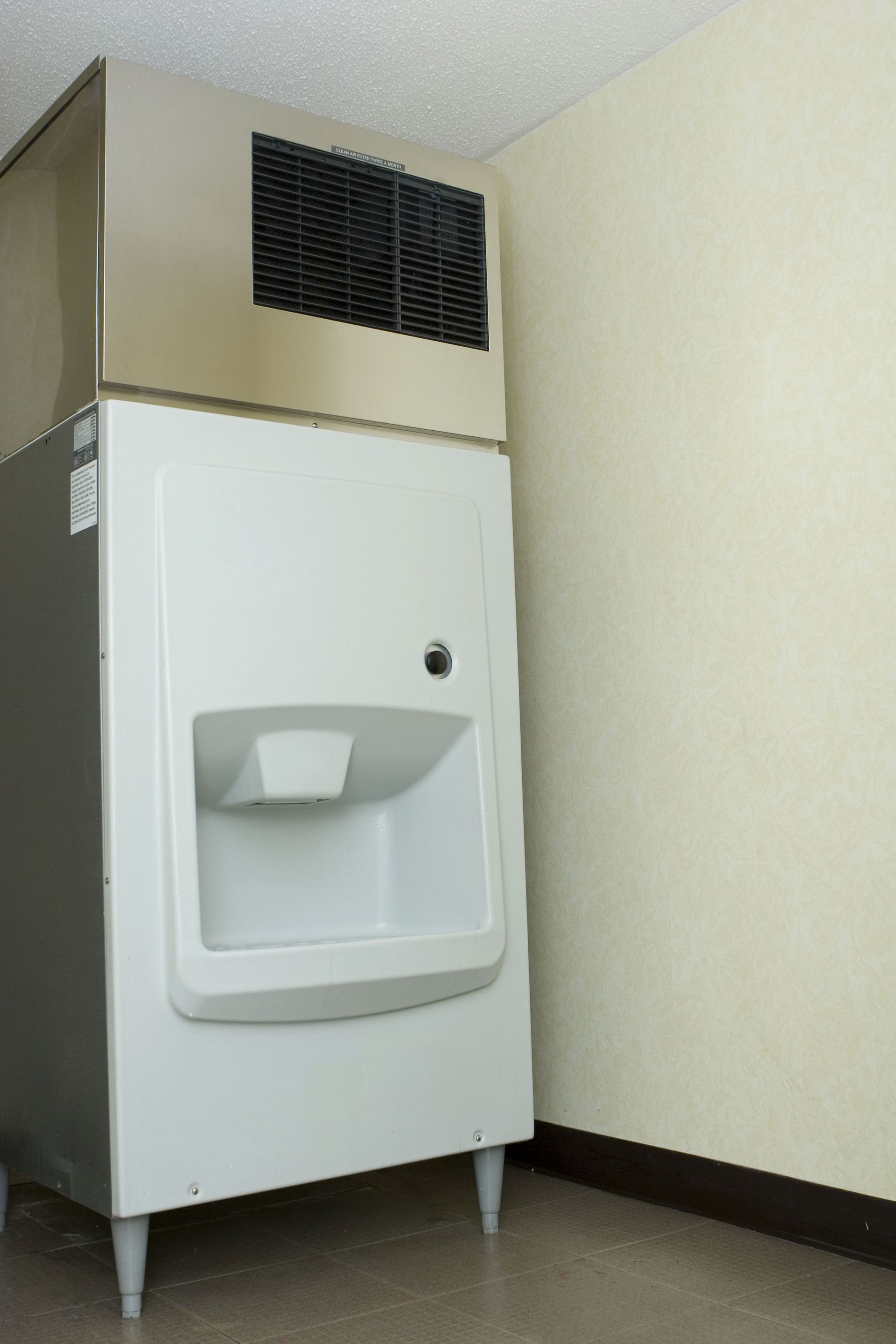
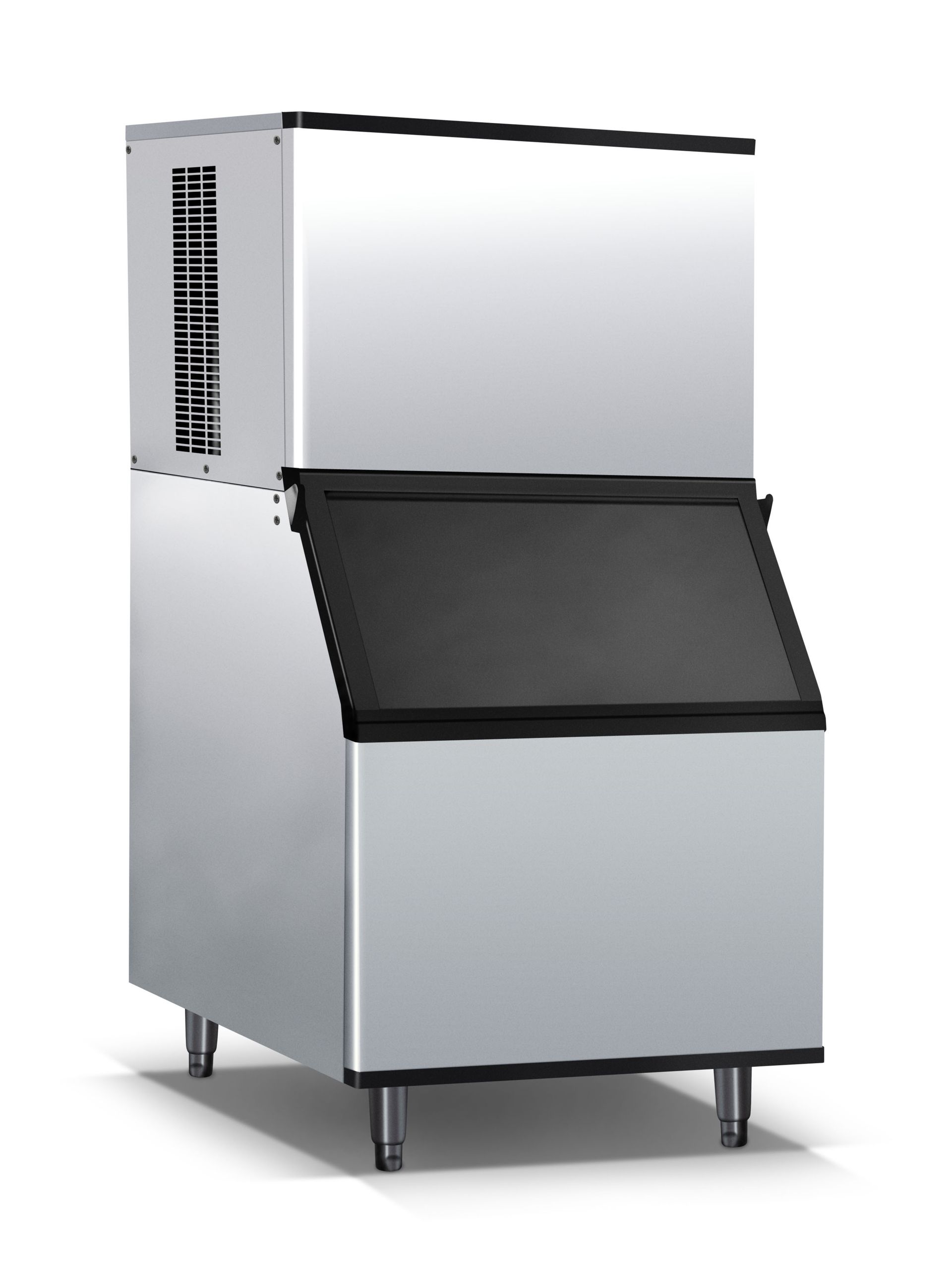
One common misunderstanding is that commercial ice machines are essentially interchangeable. In reality, models vary in production capacity, storage configuration, cooling method, dimensions, and intended use. A small cafe may need only a modest amount of ice each day, while a hotel, hospital, or event venue may require far greater output. Matching capacity to actual demand is essential because undersized equipment can run constantly and still fail during peak periods. Oversized equipment can also create inefficiencies by occupying more space and consuming more utilities than necessary.
Businesses should also consider where the equipment will operate. Ambient temperature, water temperature, ventilation, humidity, and clearance can all influence performance. A machine installed in a hot kitchen may work differently from the same model placed in a climate-controlled area. Evaluating the installation site before purchase can help reduce performance problems and ensure there is enough room for cleaning, airflow, and service access.
Misconception 2: Ice Machines Are Only for Restaurants
Restaurants are frequent users, but they are far from the only businesses that depend on commercial ice machines. Hospitals, clinics, hotels, schools, offices, supermarkets, and entertainment venues all rely on dependable ice production. Healthcare facilities may use different forms of ice for patient comfort or food service, while hotels need steady supplies for guest floors, bars, banquet spaces, and kitchens. Schools and universities may require ice for dining halls, athletics, residence halls, and campus events.
Retail environments also use ice in several ways. Grocery stores and seafood markets may rely on flake ice for product displays because it can conform around food and help maintain cold temperatures. Convenience stores may need large quantities for drinks, while some businesses sell packaged ice directly to customers. In each case, equipment should be selected according to the type of service provided rather than based on restaurant-style assumptions.
Misconception 3: All Ice Types Are Identical
The appearance and texture of ice can affect how it performs in a particular application. Commercial ice machines may produce cubes, nuggets, flakes, or other specialized forms, and each has distinct advantages. Cube ice is commonly used in beverages because it is durable and melts at a controlled rate. Nugget ice is softer and chewable, making it popular in healthcare settings, quick-service restaurants, and beverage stations. Flake ice is moldable and useful for seafood, produce, and other cold displays.
Ice type also influences presentation and customer experience. Large, clear cubes can support premium beverage service because they melt slowly and create a polished appearance. Smaller forms may be better suited to blended drinks or high-volume service where rapid dispensing matters more than presentation. Businesses should consider how the finished ice will be used, how quickly it must be produced, and whether the storage and dispensing system is compatible with that form.
Misconception 4: Maintenance Is Always Difficult and Expensive
Routine care is necessary, but maintaining ice equipment does not have to be unusually complicated. Cleaning schedules, filter changes, inspections, and preventive maintenance can help control scale, residue, and component wear. Many newer models also include diagnostic features or cleaning cycles that simplify routine upkeep. The exact schedule depends on manufacturer recommendations, water quality, operating conditions, and usage levels, so maintenance should be treated as part of normal facility planning.
Preventive service can also reduce unexpected downtime. Regular inspections may identify worn seals, clogged components, scale buildup, or unusual operating behavior before those issues cause a shutdown. Access to qualified technicians and manufacturer support can make repairs easier to manage. Keeping service records and cleaning logs provides a clearer picture of equipment condition and can help businesses plan for repairs or eventual replacement.
Misconception 5: Ice Machines Are Automatically Energy Inefficient
Energy use varies by model, production capacity, operating conditions, and equipment age. Modern commercial ice machines can include more efficient compressors, improved insulation, better controls, and other design features intended to reduce energy demand. According to WifiTalents, Energy Star certified ice machines can be up to 15% more energy-efficient than standard non-certified models. Businesses should compare energy ratings and estimated operating costs instead of assuming every machine will consume utilities at the same rate.
Usage habits also matter. A machine that runs continuously in a hot, poorly ventilated space may use more energy than one installed under appropriate conditions. Dirty condenser coils, restricted airflow, and neglected maintenance can also reduce efficiency. Replacing aging equipment may provide savings when older technology becomes expensive to operate. Evaluating lifecycle costs, including energy use, service needs, and output, provides a more useful comparison than purchase price alone.
Misconception 6: Water Efficiency Does Not Matter
Water use is another important factor when evaluating commercial ice machines. Different designs use water in different ways, and inefficient operation can increase utility costs over time. Modern equipment may include improved circulation systems, more precise controls, and other technologies intended to reduce waste. Businesses should review manufacturer specifications for water consumption and compare those figures with expected ice production to understand how efficiently a model uses water.
Water quality can also affect performance and maintenance. Minerals and contaminants may contribute to scale buildup, cloudy ice, or additional cleaning requirements. Appropriate filtration can help protect internal components and improve consistency, although filter selection should match local water conditions and manufacturer guidance. Monitoring leaks, valves, drainage, and supply connections is equally important because small problems can lead to unnecessary consumption or equipment damage.
Misconception 7: Choosing a Machine Is Only About Daily Output
Daily production capacity is important, but it is only one part of the selection process. Businesses should also consider storage capacity, peak demand, recovery time, available space, ventilation, drainage, electrical requirements, and future growth. Equipment that appears adequate based on average daily consumption may still fall short if most demand occurs within a short period. Planning around the busiest part of the day provides a more realistic picture of the capacity required.
Storage deserves particular attention because production and consumption do not always happen at the same time. A machine may produce enough ice over 24 hours but still leave staff short during a rush if the bin is too small. Businesses should also consider how employees will access the ice, whether dispensing equipment is needed, and how the system fits into the overall workflow. These details can affect speed, sanitation, and employee efficiency just as much as production numbers.
Dispelling myths about commercial ice machines makes it easier to compare equipment based on actual operating needs. The best choice depends on ice type, production volume, storage, installation conditions, energy and water use, maintenance requirements, and the demands of the specific industry. Businesses that evaluate these factors are better positioned to avoid equipment that is either insufficient or unnecessarily expensive to operate.
A thoughtful selection process should include both current needs and expected future demand. Reviewing utility requirements, maintenance access, sanitation practices, and service support can help prevent problems after installation. With accurate information and realistic planning, businesses can select equipment that supports reliable service, efficient resource use, and consistent ice quality over the long term. Contact our team at Coldstat Refrigeration Inc today and learn more about our refrigeration services.
Share On: