Essential Maintenance Tips for Commercial Ice Machines
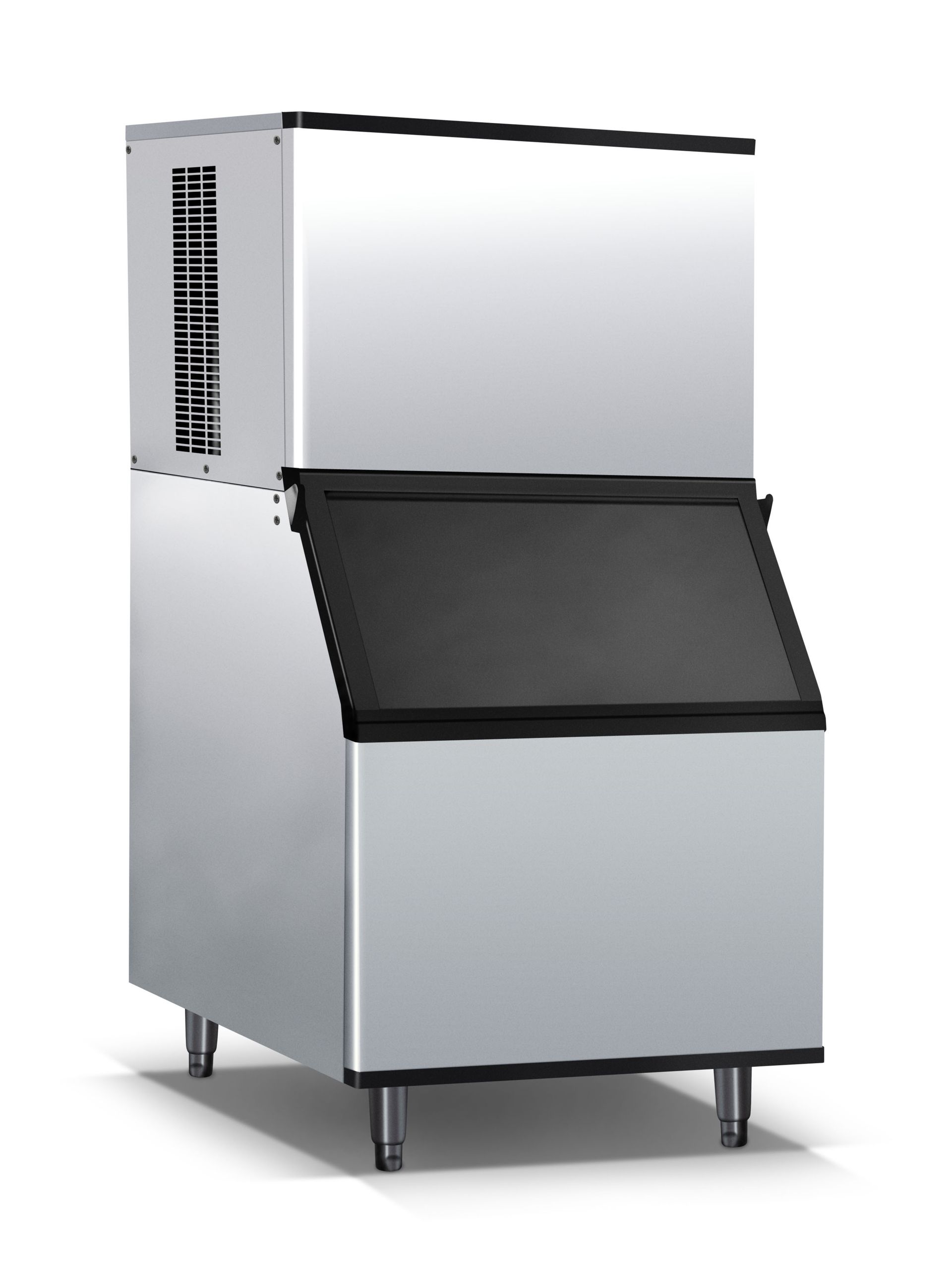
Commercial ice machines serve as a fundamental asset for any successful foodservice operation, providing the necessary supply of ice for beverages and food preservation. Ensuring these units remain in top condition is a primary responsibility for business owners who value efficiency and reliability. By focusing on proactive care, companies can extend the service life of their equipment while significantly reducing the frequency of unexpected repairs. This guide highlights the most effective ways to maintain commercial ice machines to ensure they continue to meet the high demands of a busy commercial kitchen environment.
Prioritize Regular Cleaning Cycles
Maintaining a strict schedule for cleaning commercial ice machines is the most effective way to prevent the buildup of slime or scale. Most manufacturers suggest a deep clean at least twice a year, though high-volume kitchens may require more frequent attention. Utilizing the correct food-grade cleaners ensures that the internal surfaces remain free of contaminants without causing damage to the sensitive components. A clean machine produces better-tasting ice and operates much more efficiently, which is a significant advantage for any business looking to manage utility costs. Dedicated staff should be trained to handle the specific cleaning steps required to keep the unit compliant with local health codes.
Perform Frequent Filter Inspections and Replacements
The internal filtration system is the first line of defense for commercial ice machines against debris and mineral deposits. Water filters specifically work to remove impurities that can cause cloudy ice or unpleasant odors, while air filters protect the motor from dust. Generally, these filters should be swapped out every six months to maintain peak performance levels. If a business notices a drop in ice production or a change in the clarity of the cubes, it is often a sign that the filters are reaching the end of their functional life. Staying ahead of these replacements keeps the water flowing smoothly and the air moving freely throughout the unit.
Monitor Water Quality and Mineral Levels
The quality of the water entering commercial ice machines directly dictates the quality of the final product. Hard water can lead to rapid scale accumulation on evaporator plates, which forces the machine to work harder and use more energy. Implementing water softening solutions can be a proactive way to mitigate these effects and protect the internal plumbing of the device. Regular testing of the water supply helps find potential issues before they cause mechanical failure. By ensuring the water is pure and balanced, a facility can maintain a consistent output of crystal-clear ice that meets the highest standards of the hospitality industry.
Maintain Critical Refrigeration and Cooling Components
The heart of any ice maker is its refrigeration system, which must be kept in excellent condition to produce ice effectively. Checking refrigerant levels and inspecting the compressor are vital steps in any routine maintenance plan. When these components are functioning correctly, the unit cycles efficiently and keeps energy consumption at a minimum. According to WifiTalents, nearly nine out of ten modern setups now utilize air-cooled designs because of the global shift toward saving water. These air-cooled commercial ice machines rely heavily on clean coils to transfer heat away from the unit. If the coils are covered in grease or dust, the machine will struggle to keep cool, potentially leading to a shorter lifespan for the compressor.
Verify Optimal Airflow and Ventilation Clearances
Commercial ice machines require a significant amount of space to "breathe" and dissipate the heat generated during the freezing process. Ensuring that there are no boxes or equipment blocking the intake or exhaust vents is a simple yet critical task. Poor ventilation can lead to overheating, which often results in a complete system shutdown or permanent damage to the motor. Business owners should periodically check that the area surrounding the unit is clear and that the external vents are free of lint and debris. Proper positioning and airflow management allow the machine to run at the lowest possible temperature, ensuring maximum ice production throughout the day.
Engage Professionals for Comprehensive System Tune-Ups
While daily upkeep can be handled by on-site staff, bringing in a professional for a comprehensive inspection is a wise investment. These specialists have the diagnostic tools necessary to find small leaks or electrical issues that might be missed during a standard cleaning. Professional technicians can calibrate the machine to ensure it is harvesting ice at the perfect intervals, which maximizes the output of commercial ice machines. Regular professional visits also provide a documented history of care, which can be beneficial for warranty claims or future equipment upgrades. This level of professional attention ensures the system is always ready for peak business hours.
Implement Preventive Measures for Long-Term Success
Taking a proactive approach to equipment care involves more than just reacting when something breaks. By establishing a culture of preventive maintenance, a business can avoid the stress and lost revenue associated with a malfunctioning ice maker. Keeping a log of when commercial ice machines were last serviced helps management stay organized and prepared for future needs. These small steps in organization lead to a more streamlined operation and a more reliable kitchen environment. When the staff knows exactly what to look for, the entire process becomes a seamless part of the daily routine, ensuring the equipment remains a dependable asset for years to come.
Review Gaskets and Seals for Peak Efficiency
The rubber gaskets and seals on the storage bins of commercial ice machines play a crucial role in maintaining the correct internal temperature. If these seals become brittle or torn, cold air can escape, causing the ice to melt prematurely and the machine to run more frequently. Inspecting these components for wear and tear is a simple maintenance task that yields high rewards in energy savings. Keeping the seals clean and free of food particles ensures a tight closure every time the bin is used. This attention to detail prevents unnecessary strain on the cooling system and helps maintain the integrity of the stored ice supply.
Optimize Production Settings for Seasonal Changes
Environmental factors like room temperature and humidity can change how commercial ice machines perform throughout the year. During the warmer summer months, the unit may need to work harder to maintain its harvest cycle. Adjusting the settings or ensuring extra cooling in the room can help the machine keep up with the increased demand. Monitoring the performance during seasonal transitions allows a business to make the necessary adjustments before production slows down. Being mindful of the environment in which the machine operates is a key part of successful long-term management and equipment reliability. Seasonal awareness can help your machine last longer.
Focusing on the health of your kitchen equipment is a surefire way to maintain a smooth and profitable operation. By following these important essential maintenance strategies, businesses can ensure their commercial ice machines remain a reliable source of high-quality ice. Taking the time to clean, inspect, and service these units pays off through reduced utility bills and a longer equipment lifespan. A well-maintained machine is a sign of a well-run business that prioritizes quality and efficiency in every detail. For any assistance with your refrigeration needs, reach out to the professional team at Coldstat Refrigeration Inc for quality assistance today.

Share On: