The Ultimate Guide to Choosing the Right Commercial Refrigeration Equipment
In the world of commercial kitchens, choosing the right refrigeration equipment is critical for ensuring food safety, maximizing efficiency, and maintaining quality. This guide will help you navigate the various factors and considerations involved in selecting the perfect refrigeration solution for your business. Whether you own a restaurant, grocery store, or catering service, refrigeration equipment plays an indispensable role in your operations. The importance of understanding your unique business needs along with the technical options available cannot be overstated. This guide will provide you with comprehensive insights into assessing storage requirements, energy efficiency, maintenance concerns, and more, to help you make an informed decision that supports your business objectives.
Understanding Your Business Needs
Assessing Storage Requirements
Understanding your storage needs is the first step in selecting the right commercial refrigeration equipment. Every business is unique, and the type and volume of goods you need to store will greatly influence your equipment choice. You should evaluate the peak inventory levels you expect and ensure that your selected unit can handle those volumes. Take into account both current and future needs, as your business may grow and require additional storage capacity. Having a clear idea of your storage requirements will prevent operational inefficiencies and help maintain the quality of your stored products.
Identifying the Types of Food to be Stored
The types of food you plan to store can affect the kind of refrigeration you require. Different foods have varying storage temperature needs, which means you may need specialized equipment for optimal preservation. For example, fresh produce might require a different cooling environment compared to seafood or dairy products. Understanding these nuances helps prevent spoilage and ensures that your customers receive the best quality possible. It also helps in energy management, as different refrigeration systems offer different temperature zoning options that can be matched to the specific needs of your food inventory.
Space Considerations and Layout
Space allocation for commercial refrigeration equipment is a crucial consideration. The layout and size of your kitchen significantly impact what type of refrigeration system you can install. Measure available space meticulously and consider the physical footprint of each option. It's essential to ensure that the placement of refrigeration units promotes an efficient workflow. Additionally, good ventilation around the equipment is vital for performance efficiency and energy use, helping to decrease your operational costs.
Considering Peak Usage Periods
Understanding when your business experiences peak usage periods is vital for selecting refrigeration equipment. High traffic times place additional stress on refrigeration systems, requiring them to work harder to maintain consistent temperatures. Businesses should factor in such peak periods when determining which refrigeration unit can accommodate their busiest times without performance issues. Failing to consider this could result in spoilage and increased energy consumption, which adversely affects your bottom line. Efficient equipment will help you manage these peaks smoothly and cost-effectively.
Future Expansion and Flexibility
Your business needs today may not be the same as tomorrow, which makes future expansion and flexibility important factors in your equipment choice. Investing in scalable and modular units can save you significant money in the long run, as these options can adapt to your expanding needs. Think about whether your refrigeration system can accommodate new products or increased volumes. It’s essential to have a plan in place so that when expansion occurs, you aren't restricted by equipment limitations. With the right system, your business can grow without substantial additional investment in refrigeration solutions.
Types of Commercial Refrigeration Equipment
Reach-In Refrigerators and Freezers
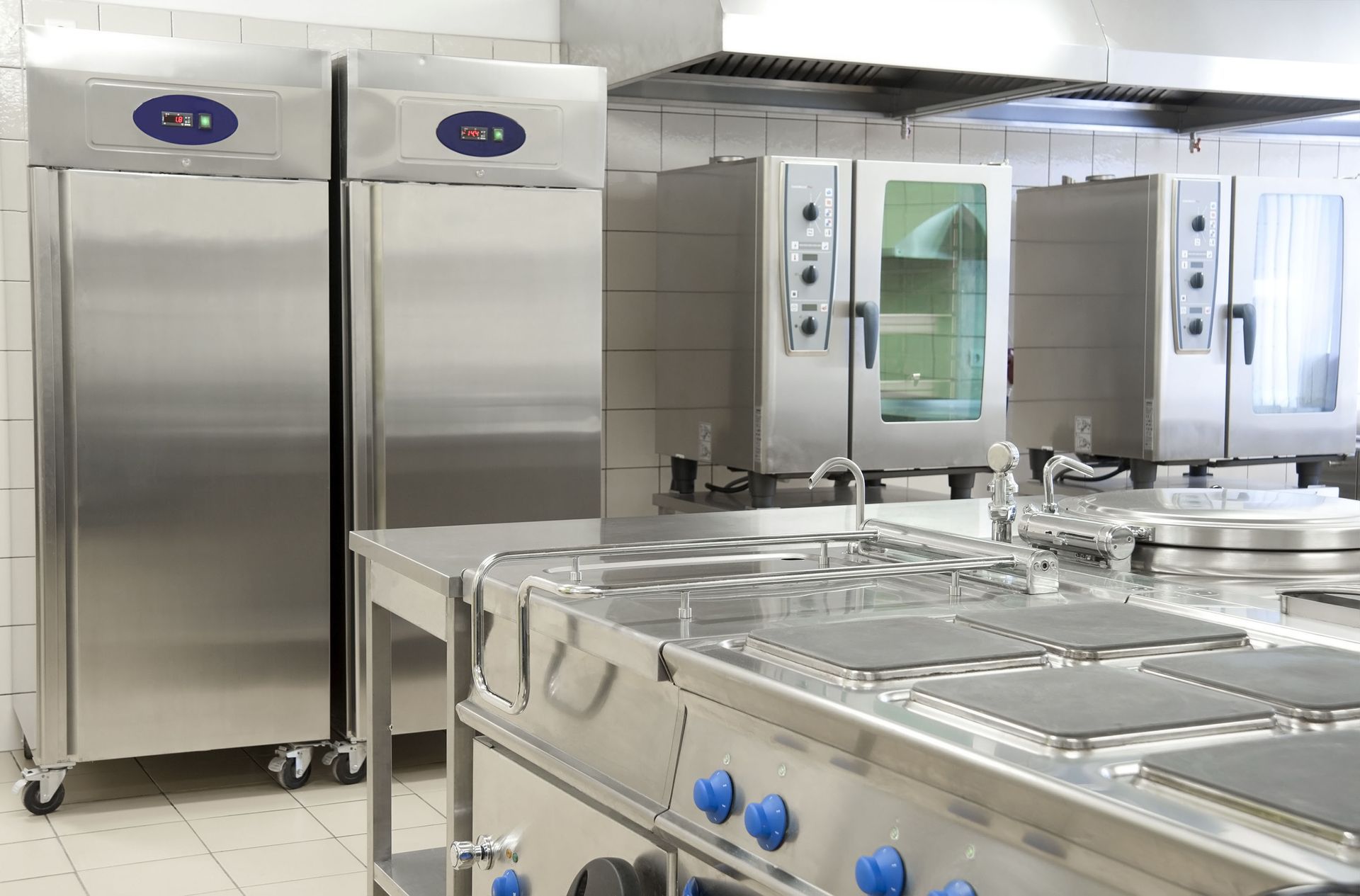
Reach-in refrigerators and freezers are among the most common types used in commercial settings. They offer easy access, making them ideal for kitchens with frequently used ingredients. Featuring one to three sections, they provide varying storage capacities and can be fitted with different shelving configurations. They are perfect for smaller kitchens that prioritize accessibility and quick stock rotation. Additionally, reach-in models are often more energy-efficient compared to larger units, aligning with energy use reduction goals.
Walk-In Coolers and Freezers
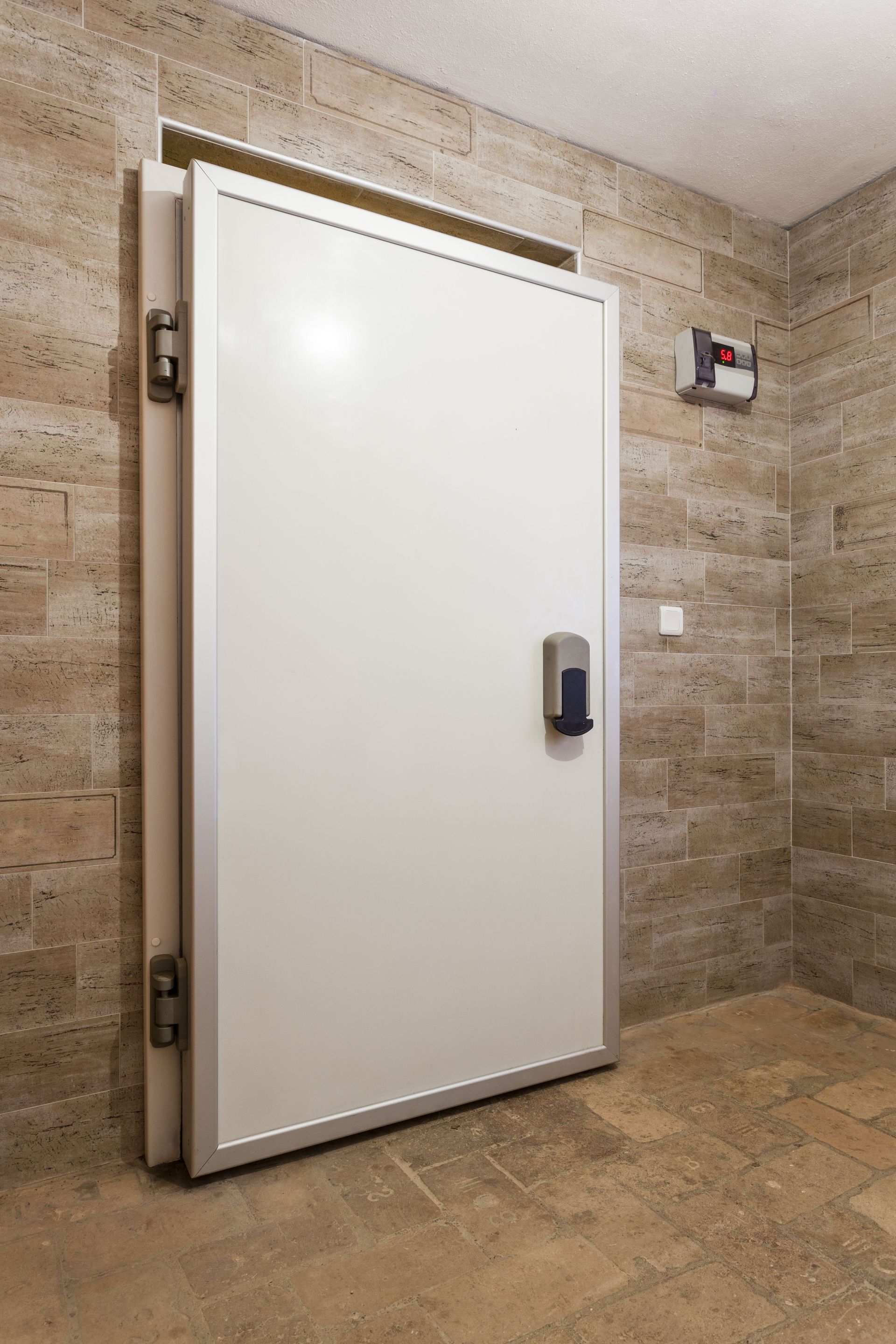
Walk-in coolers and freezers offer substantial storage capacity and are essential for businesses dealing with large quantities of perishable items. These units can be configured to fit the specific layout and space requirements of your facility, providing flexibility in design. Walk-ins can include advanced temperature controls and zoning capabilities, which help in storing diverse types of products effectively. Their capacity to handle larger volumes makes them a staple in larger restaurants, hotels, and grocery stores. However, they consume more energy, contributing to the approximate 4% energy use in commercial buildings, according to The Clean Energy Ministerial.
Under-counter and Countertop Models
Under-counter and countertop refrigeration models provide space-saving solutions for compact kitchen spaces. These units are beneficial for operations requiring quick access to refrigerated items without the need for significant storage space. They conveniently fit into kitchen workspaces, offering refrigeration without disrupting workflow. Countertop models are usually smaller, ideal for bars and coffee shops where space is at a premium. Under-counter models can be strategically placed to streamline kitchen organization and improve overall efficiency.
Display and Merchandising Refrigeration
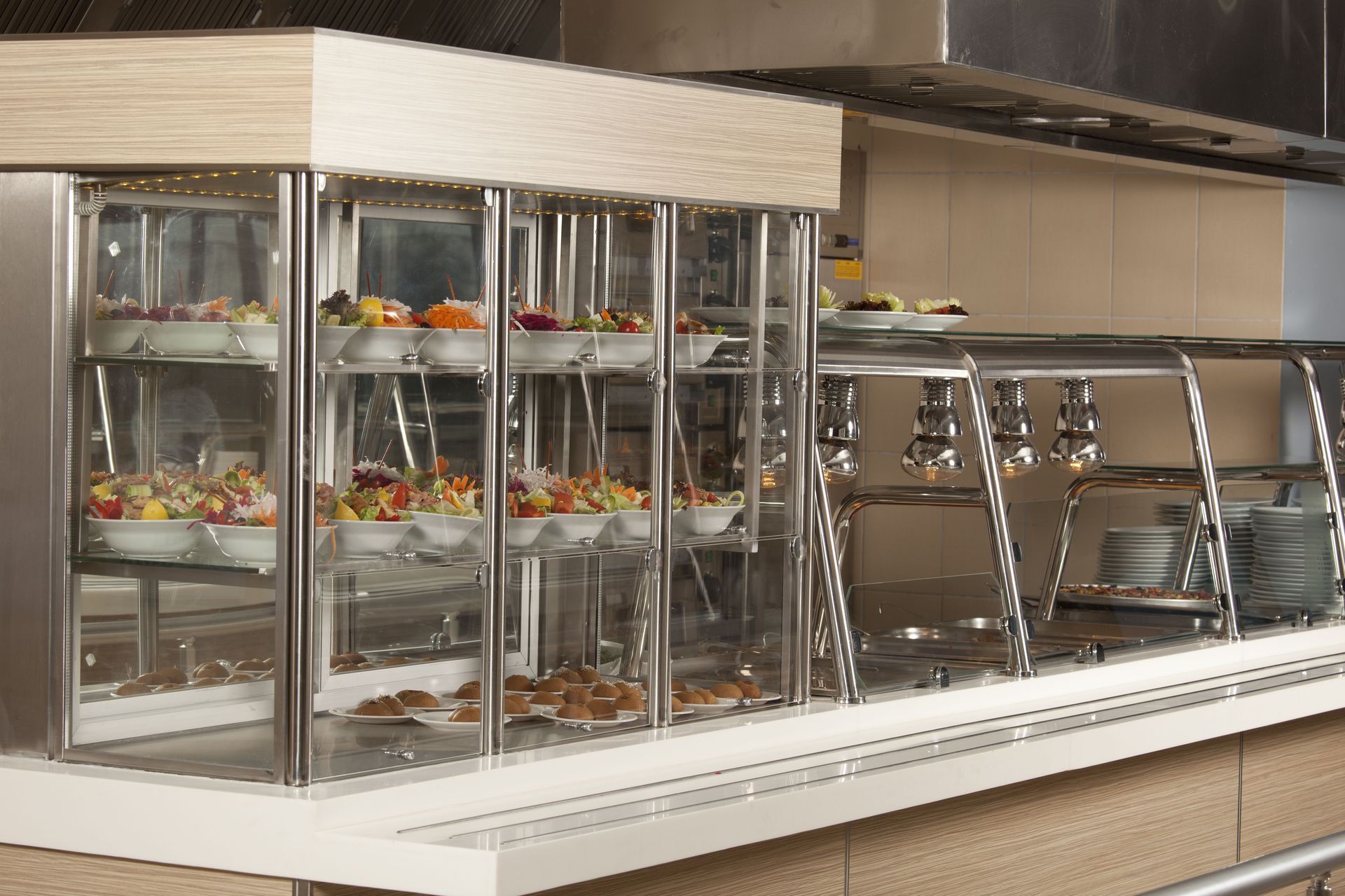
Display and merchandising refrigeration units are vital for businesses needing to showcase products to customers. These units often feature glass doors or open fronts to highlight products, encouraging impulse purchases. Common in grocery and convenience stores, they are designed to maintain optimal temperatures while providing a clear view of the products within. They require strategic placement to maximize visibility while ensuring energy efficiency. It's important to balance the allure of product visibility with the unit's operational cost, as these models can be energy-intensive due to their display features.
Maintenance and Support
Routine Maintenance Requirements
Regular maintenance of commercial refrigeration equipment is important to ensure long-term efficiency and performance. Routine checks and servicing can prevent unexpected breakdowns and expensive repairs. Tasks such as cleaning coils, checking seals, and inspecting fan motors are essential in maintaining the unit’s effectiveness. Scheduled maintenance also optimizes energy efficiency by ensuring all components are functioning correctly. Partnering with a reliable service provider can simplify routine maintenance and extend the lifespan of your equipment.
Availability of Replacement Parts
When choosing refrigeration equipment, consider the availability of replacement parts and ease of service. Parts that are readily accessible allow for quicker repairs, minimizing downtime and disruption to your business operations. Reliable suppliers usually maintain a stock of common parts, offering peace of mind in knowing that support is available when needed. Inquire with manufacturers about their policy on parts availability and response times. Planning ahead in terms of parts availability can prevent operational headaches down the line.
Warranty and Service Agreements
A comprehensive warranty can significantly reduce the risks associated with buying commercial refrigeration equipment. Understanding the terms and coverage of warranty agreements is crucial for protecting your investment. Service agreements often provide routine maintenance and repair services, which help in managing expenses related to unexpected breakdowns. Ensure that you are aware of any limitations or conditions within these agreements to make the most informed purchase decision. Partnerships with manufacturers or authorized service providers can prolong the life of your equipment and ensure consistent performance.
Choosing the right commercial refrigeration equipment requires careful consideration of your business needs, energy efficiency, feature preferences, maintenance requirements, and budget constraints. By understanding each of these factors, you can make an informed decision that will optimize your operations and support your business's growth and success. Assessing your needs accurately and weighing your options can result in the best balance of functionality and cost-efficiency. The right equipment enhances your ability to deliver quality products and services, solidifying your business's reputation and performance in a competitive market. Contact Coldstat Refrigeration Inc today to equip your business with refrigeration solutions that not only meet current needs but also position you for future success.
Share On: