
The Cool Evolutions of Commercial Ice Machines
The advent and evolution of commercial ice machines have transformed the food and beverage industry, enabling businesses to provide consistent and high-quality service. Throughout history, the demand for ice and its subsequent production have driven substantial technological advancements. As a result, commercial ice machines today are a far cry from their humble beginnings, boasting remarkable efficiency and sophisticated design. The evolution of these machines reflects broader trends in industrial and technological development, such as increased emphasis on energy efficiency and environmental sustainability. Here we'll explore the fascinating advancements and future trends of these indispensable devices, highlighting their significant impact on modern commercial landscapes.
History of Commercial Ice Machines
Introduction of Mechanical Ice Machines
The introduction of mechanical ice machines revolutionized ice production in the late 19th century. These machines utilized compression-driven processes to artificially manufacture ice, paving the way for commercial-scale production. With the capabilities to produce ice regardless of ambient temperature, these machines transcended the limitations imposed by climatic conditions. The developments in mechanical refrigeration spurred the growth of the food and beverage industry, allowing businesses to cater to broader markets with fresh products. Consequently, the demand for ice surged even in regions previously unable to access this luxury, establishing a robust market for commercial ice machines.
Post-Industrial Revolution Innovations
As industrialization took hold, further innovations in ice production emerged. The post-Industrial Revolution era witnessed significant advancements in refrigeration technology, particularly in the efficiency and scale of ice production. The availability of affordable energy sources, coupled with evolving engineering practices, enabled the production of larger quantities of ice at reduced costs. This economic feasibility encouraged the proliferation of ice machines in restaurants, hotels, and other commercial establishments. The focus shifted from rudimentary mechanical systems to more sophisticated and reliable machines, reflecting the rapidly changing dynamics of industrial production.
Rise of Electrical Ice Machines
The transition to electrical ice machines marked a pivotal moment in the history of commercial ice production. This era, characterized by significant technological advancements, brought about machines that were more efficient, faster, and capable of producing different types of ice. As electricity became more accessible, manufacturers were able to integrate it into ice machines, which allowed for more precise temperature control and consistent ice quality. The rise of electrical machines coincided with an increased demand for more versatile ice types, serving the diverse needs of institutions ranging from hospitals to bars. Consequently, the widespread adoption of these machines reinforced their commercial significance.
Modern Advances in Ice Production Technology
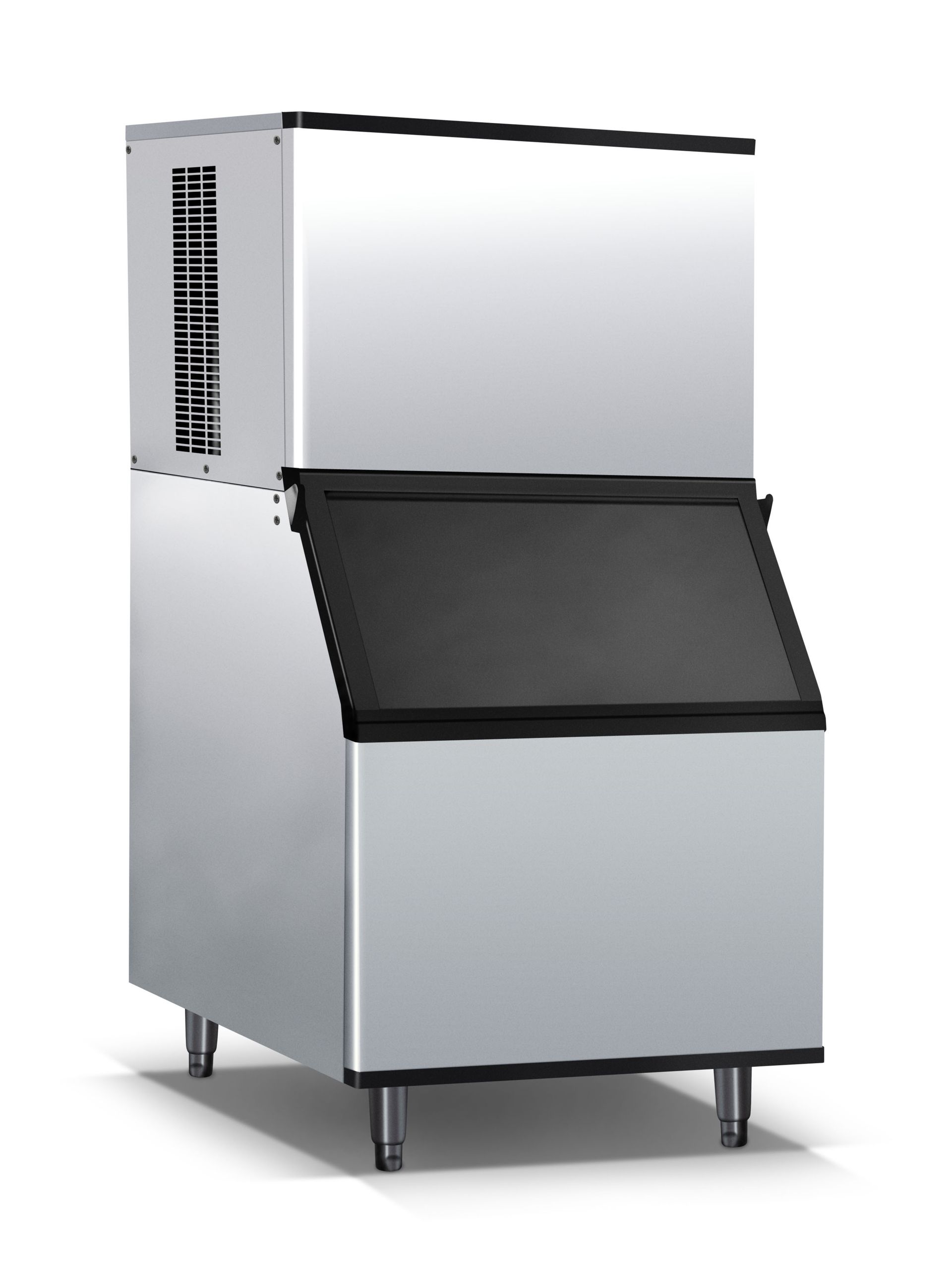
The modernization of ice production technology is defined by advancements in digital integration, automation, and environmental responsiveness. The increasing implementation of digital controls has ushered in a new age of smart ice machines that offer enhanced operational oversight and energy efficiency. By providing real-time data and diagnostics, these machines ensure high performance while minimizing downtime for maintenance. Furthermore, as water conservation becomes a paramount concern, air-cooled ice makers have emerged as the preferred choice among businesses. According to WifiTalents, these machines now account for 85% of all new commercial installations due to their decreased water needs, aligning with global sustainability goals.
Technology Behind Modern Ice Machines
Refrigeration Cycle and Mechanics
The refrigeration cycle is the core process underlying modern ice machines, involving a series of controlled temperature and pressure changes to facilitate ice production. This process begins with a refrigerant absorbing heat from the water, which cools and solidifies to form ice. The efficiency of this cycle is a critical design aspect, influencing both the machine's operational cost and energy consumption. Innovations in compressor technology and thermal insulation materials have significantly improved the energy efficiency of modern ice makers. Moreover, advances in component durability have extended the lifespan of these machines, reducing the need for frequent replacements and serving sustainability interests.
Types of Ice and Their Production Methods
Modern ice machines are capable of producing various ice forms, each catering to specific applications and preferences. From flake ice in healthcare to nugget ice favored in fast-food settings, the versatility of production methods ensures a wide array of options for different sectors. The choice of ice is dependent on factors such as texture, melting rate, and clarity, all of which are dictated by the machine's design and operational parameters. Technological advancements have facilitated the creation of machines capable of switching between ice types, further enhancing their commercial appeal. This adaptability underscores the contemporary trends of customization and consumer choice across industries.
Energy Efficiency and Environmental Considerations
In an era defined by environmental consciousness, energy efficiency has emerged as a critical focal point in the design of commercial ice machines. Manufacturers are increasingly adopting eco-friendly refrigerants and employing advanced insulation technologies to minimize their carbon footprint. The integration of energy-efficient components, such as variable-speed compressors and LED lighting, not only reduces operational costs but also aligns with international regulatory standards. Moreover, the shift towards air-cooled ice makers illustrates the industry's response to mounting water scarcity concerns. These machines have demonstrated notable water savings, contributing to resource conservation and better aligning with sustainability goals.
Maintenance and Durability Innovations
Maintenance and durability are fundamental considerations in the design of commercial ice machines, particularly given their frequent use in high-demand settings. Manufacturers have responded with innovations such as self-cleaning systems and corrosion-resistant materials, extending both the lifespan and reliability of these machines. The focus on robust construction techniques reflects the industry's commitment to providing durable solutions in line with sustainability objectives. Additionally, easy-to-navigate user interfaces simplify operation and troubleshooting, reducing the learning curve for new users.
Impact on the Food and Beverage Industry
Enhanced Customer Experience
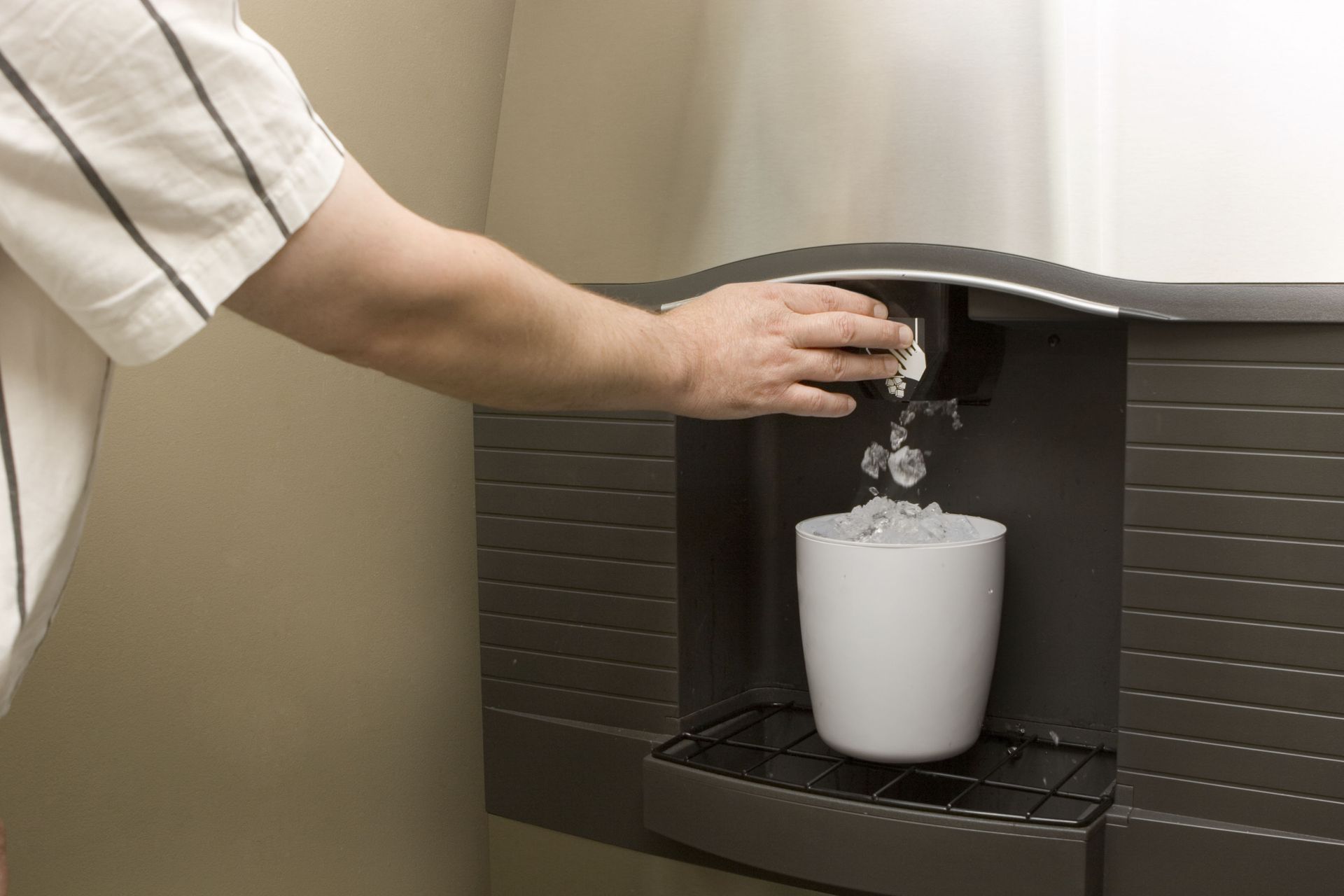
Commercial ice machines have drastically enhanced the customer experience across various segments of the food and beverage industry. The ability to consistently serve well-chilled drinks directly correlates with customer satisfaction and retention. In fast-paced environments such as bars and fast-food restaurants, having a reliable supply of ice ensures efficiency and timely service. The variety of ice types available also allows businesses to offer customized beverage solutions, catering to diverse consumer preferences. Whether using clear ice for upscale events or soft nugget ice in soft drinks, the quality of ice has become a distinguishing factor in the competitive hospitality landscape.
Operational Efficiency and Cost Reduction
Operational efficiency is a critical aspect of any successful food and beverage establishment, and the role of ice machines in this regard is pivotal. By providing a steady stream of ice, these machines eliminate the need for manual ice sourcing, thus streamlining operations and reducing labor costs. The automation and reliability of modern machines further mitigate downtime risks, enhancing productivity and minimizing potential losses. Cost-effective energy consumption, along with water-saving capabilities of air-cooled machines, aligns with the industry's push towards sustainability and financial prudence. Consequently, businesses can allocate resources more effectively, improving overall profitability.
Health and Hygiene Improvements
In the realm of food and beverage service, maintaining health and hygiene standards is paramount. Modern ice machines have integrated various features aimed at reducing contamination risks and maintaining high sanitary conditions. With automated cleaning systems and antimicrobial components, these machines ensure that the ice produced is both safe and clean. Regular sanitation schedules combined with advanced filtration technology further reduce the risk of microbial growth, safeguarding consumer health. As establishments are subjected to stringent health regulations, adopting reliable ice production solutions becomes essential for compliance and consumer trust.
Market Competition and Differentiation
In an intensely competitive market, differentiation is key to standing out, and the strategic use of commercial ice machines plays a significant role in achieving that. Establishments can leverage distinct ice types to differentiate their offerings and create unique selling points. For instance, premium clear ice is often marketed as a luxury feature, enhancing the perceived value of beverages. The integration of smart technology in ice machines also offers opportunities for enhanced user experience, providing another layer of competitive advantage.
The evolution of commercial ice machines is a testament to the power of innovation in meeting the changing needs of the food and beverage industry. Modern ice machines not only provide businesses with reliable and versatile ice production but also support enhanced customer experiences, improved hygiene standards, and reduced environmental impact. Their continued evolution will play a vital role in helping businesses adapt to growing consumer expectations and sustainability challenges in the years ahead. To learn more about the modern efficiencies in commercial ice machines and schedule new installations, reach out to Coldstat Refrigeration Inc today.
Share On: