Why Your Commercial Refrigeration System Needs Regular Maintenance
For any business that relies on temperature-controlled storage, the performance of its cooling equipment is directly tied to product quality, operational safety, and daily efficiency. Whether you run a restaurant, grocery store, bar, floral shop, medical facility, or food distribution center, your refrigeration equipment works around the clock to protect valuable inventory. Because these systems never stop running, proper care is essential. Regular maintenance is one of the most important steps a business can take to avoid costly breakdowns, preserve energy efficiency, and extend equipment lifespan. Without it, even the most advanced commercial refrigeration units begin to decline prematurely.
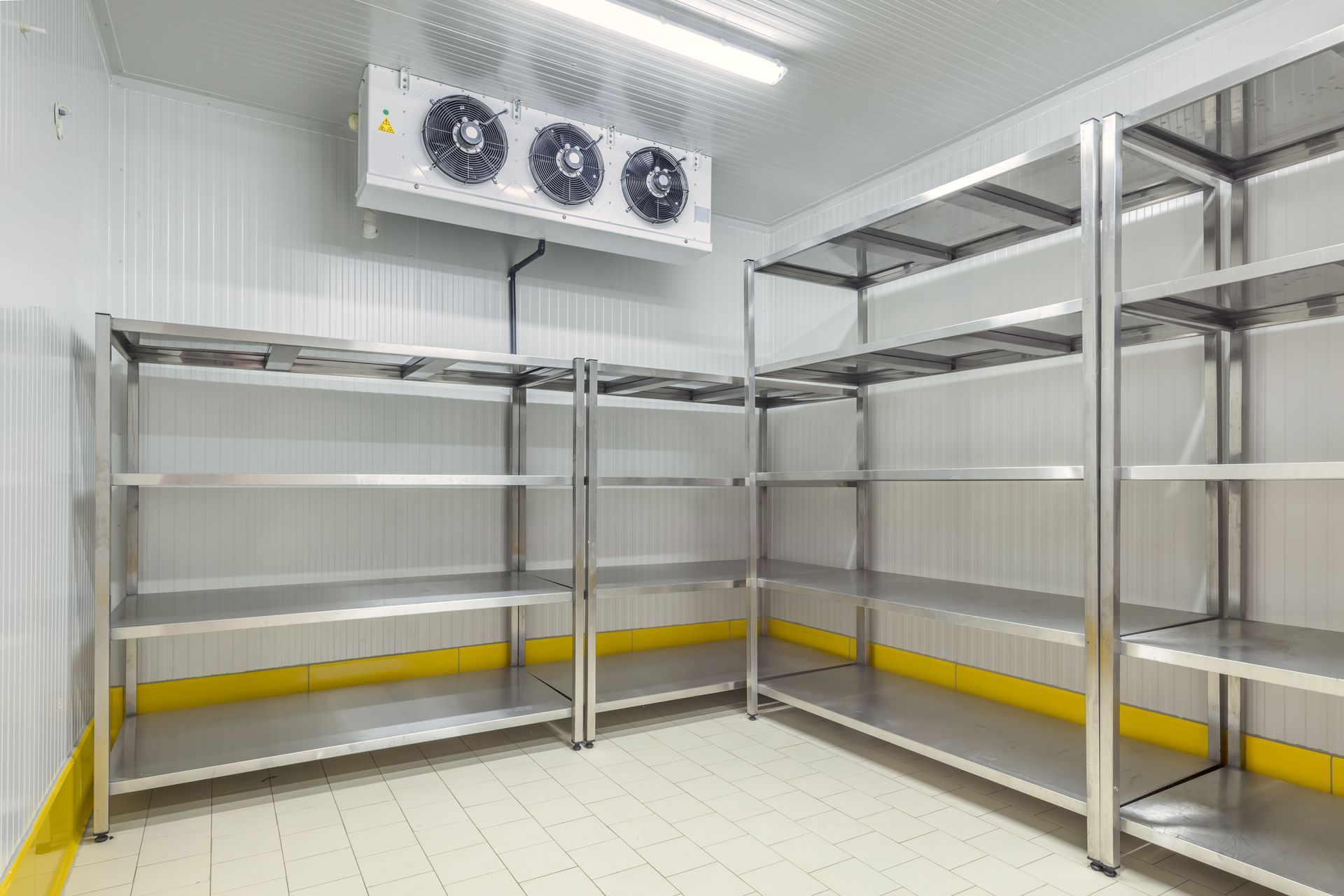
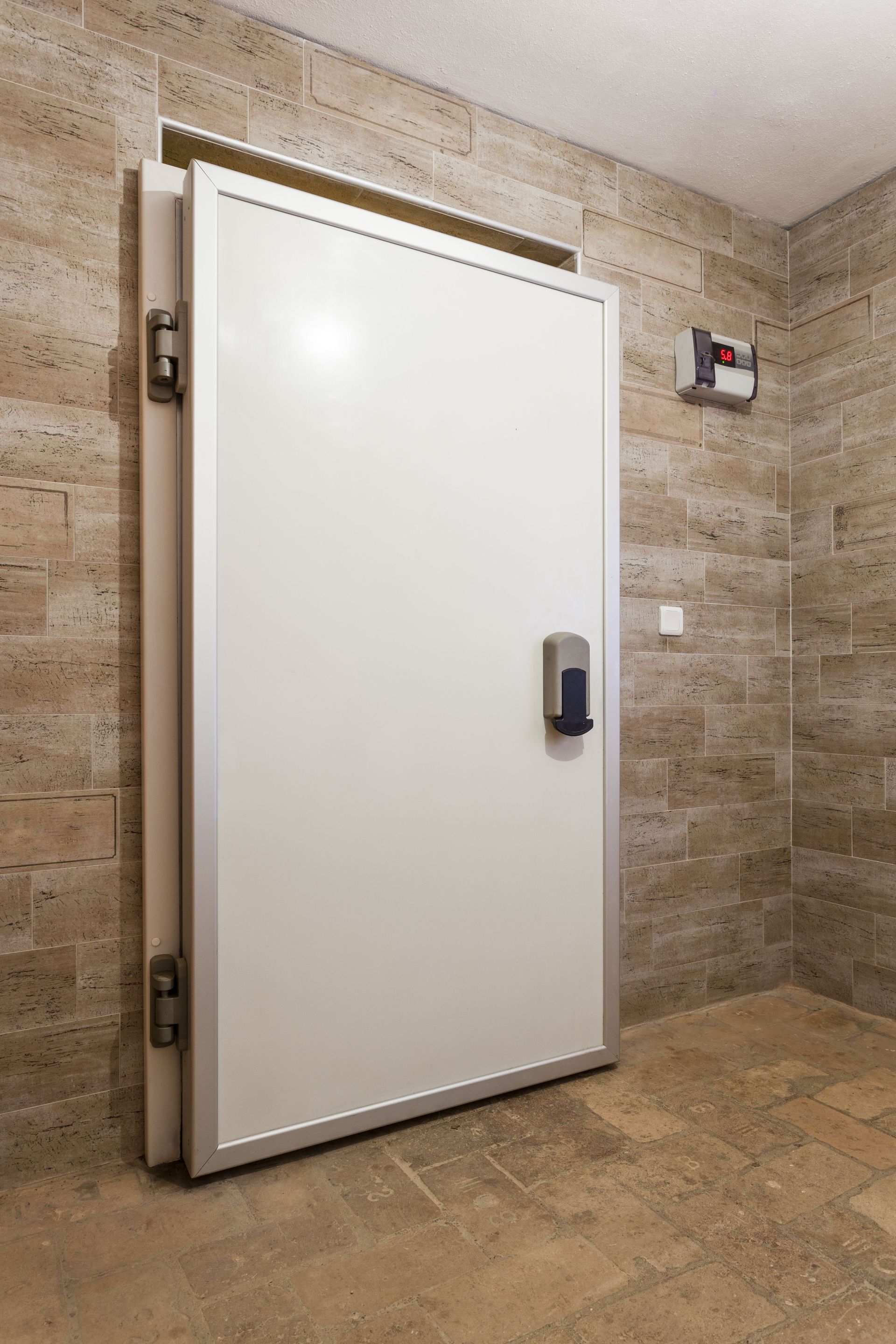
Commercial cooling equipment is far more sophisticated than residential refrigerators. These systems are designed to handle large volumes, maintain strict temperature ranges, and operate under heavy workloads. Over time, components can wear down, dirt can accumulate, and efficiency can drop—especially if routine service is neglected. According to Kitchen All, walk-in coolers have an impressive lifespan of 15 to 30 years, but reaching the upper end of that range requires consistent maintenance. Businesses that take a proactive approach benefit from fewer breakdowns, safer food handling conditions, and more predictable operating costs. A well-maintained system doesn’t just work better; it supports your entire operation.
Maintaining Consistent and Reliable Temperature Control
Temperature fluctuations are one of the biggest threats to food safety and product integrity. When commercial refrigeration systems begin to struggle, they may cycle inconsistently or fail to maintain required temperature levels. Even small variations can lead to spoilage, bacterial growth, or damaged inventory. Regular maintenance ensures that thermostats, sensors, coils, and fans operate together correctly, allowing your system to maintain steady temperatures throughout the day.
Technicians also monitor refrigerant levels during scheduled service. Low refrigerant not only disrupts temperature stability but also places additional strain on the compressor. Addressing these issues early prevents major failures and ensures your equipment remains reliable during peak business hours. Consistent temperature control is one of the strongest indicators of a healthy refrigeration system and a direct result of proper maintenance.
Reducing Energy Waste and Operating Costs
Commercial refrigeration equipment consumes a significant amount of energy, especially when it begins to wear down. Dirty coils, clogged filters, damaged gaskets, and weak fans make the system work harder to maintain temperature. This excess workload leads to higher energy bills and increased stress on key components. Routine maintenance keeps parts clean, lubricated, and functioning efficiently, directly reducing operating expenses.
Professional maintenance typically includes cleaning condenser and evaporator coils, checking seals for air leaks, inspecting electrical connections, and calibrating controls. These tasks help the equipment run smoothly and use less energy. For businesses operating on tight margins, such as restaurants or grocery stores, reducing utility costs can make a meaningful difference in long-term profitability. Investing in maintenance is a practical way to keep monthly expenses predictable and manageable.
Preventing Unexpected Breakdowns and Product Loss
A sudden refrigeration failure can cause thousands of dollars in product loss within a matter of hours. Perishable goods such as meat, dairy, seafood, and produce depend on constant cooling, and even brief interruptions can make inventory unsellable. Commercial refrigeration systems often show signs of trouble long before a complete breakdown occurs, but those signs are easy to miss without professional inspection.
Maintenance appointments allow technicians to identify worn-out parts, loose wiring, declining compressors, failing fans, and refrigerant leaks before they escalate into emergencies. Preventive repairs cost far less than last-minute service calls or product waste. By detecting potential failures early, businesses avoid operational downtime and protect their financial investment in inventory. Long-term reliability begins with consistent, proactive care.
Extending the Lifespan of Refrigeration Equipment
Commercial cooling systems are not inexpensive, and replacing them often disrupts operations. Ensuring these units last as long as possible is a major priority for business owners. With proper care, walk-in coolers and freezers can operate efficiently for decades. As noted by Kitchen All, walk-in coolers have a lifespan of 15 to 30 years, but reaching the higher end of that range depends heavily on regular maintenance.
When technicians clean, tighten, inspect, and calibrate equipment, they help reduce wear and tear on critical components. Compressors, fans, coils, and electrical parts last significantly longer when operating under optimal conditions. Without maintenance, systems experience excessive strain, leading to premature failure. Extending the lifespan of your equipment through predictable maintenance helps businesses avoid major capital expenses and ensures reliable performance year-round.
Improving Food Safety and Regulatory Compliance
Food service businesses must meet strict health and safety regulations to operate legally. Commercial refrigeration equipment plays a central role in meeting these requirements. When temperatures fluctuate, bacteria can grow rapidly on perishable items, increasing the risk of foodborne illness. Routine maintenance ensures that your system meets industry standards and keeps food stored safely.
Beyond food service, businesses such as healthcare facilities, pharmacies, and laboratories also rely on precise temperature control for medications, vaccines, and sensitive materials. Regular maintenance reduces the likelihood of regulatory violations, protects your reputation, and ensures that your facility consistently passes inspections. Maintaining compliance is not optional—it’s a core part of operating a responsible and safe business.
Enhancing System Performance Through Routine Cleaning
Dirt buildup is one of the most common causes of poor refrigeration performance. Over time, dust and debris collect on coils, fans, and vents, restricting airflow. Restricted airflow forces the system to work harder, leading to overheating and inefficiency. Cleaning these components during maintenance visits allows the unit to operate at full capacity without unnecessary strain.
Technicians also inspect and clean condensate drain lines, which can become clogged with sludge and debris. A blocked drain line causes water to back up and can result in leaks, foul odors, and even mold growth. Regular cleaning prevents these problems and ensures smooth, uninterrupted operation.
Addressing Refrigerant Leaks and Mechanical Wear
Refrigerant leaks are one of the most serious issues in commercial refrigeration systems. Low refrigerant levels cause temperature fluctuations, strain on the compressor, and increased energy usage. They may also violate certain environmental regulations. During maintenance, technicians check refrigerant pressure and examine lines for cracks or corrosion.
Mechanical components such as belts, motors, fans, and compressors also endure heavy workloads. Without routine lubrication and inspection, these parts can wear out prematurely. Replacing a minor part early is far more affordable than repairing a major system failure later. Through scheduled maintenance, businesses reduce the risk of unexpected breakdowns and maintain consistent cooling performance.
Improving Indoor Environment and Air Quality
Commercial refrigeration systems influence more than just food temperature—they also affect overall air quality in your facility. When systems leak, produce excess condensation, or run inefficiently, they can contribute to humidity problems and unpleasant odors. Poor indoor air conditions can harm both employees and customers, creating a negative experience inside your building.
Routine maintenance ensures that air circulation remains consistent and that humidity stays within safe limits. This helps prevent mold growth, reduces allergen buildup, and improves the cleanliness of your environment. Businesses that prioritize comfort and cleanliness benefit from happier staff and more satisfied customers.
Regular maintenance is essential for protecting your investment, safeguarding your inventory, and ensuring that your business runs smoothly throughout the year. From preventing breakdowns to improving efficiency and extending equipment lifespan, proper care offers significant long-term benefits. For reliable service, expert inspections, and consistent support, Coldstat Refrigeration Inc provides the professional solutions your business needs to keep its commercial refrigeration systems operating at peak performance. Contact our team today to schedule maintenance and ensure your cooling equipment stays dependable year-round.
Share On: